Commercial Laundry Solutions for Aged Care, Healthcare & Accommodation


Doing laundry isn’t just about throwing clothes into a machine — whether at home, in a care facility, or in a commercial laundry, following the right processes ensures better results, longer-lasting fabrics, and greater efficiency. This guide covers the essentials: from wash programs and fabric classification to troubleshooting common laundry problems.
The WATCH Principle: 5 Key Variables in Cleaning
At the core of effective laundry is the WATCH principle. These five variables work together to determine wash quality:
-
WATER – The universal carrier that transports both chemicals and soil.
-
ACTION – The mechanical movement that loosens soil and circulates fresh cleaning solution.
-
TIME – The duration needed for chemicals to penetrate and act on soils.
-
CHEMICAL – The right product and correct dilution are essential for best results.
-
HEAT – Every 10°C increase doubles chemical efficiency. The right temperature boosts results depending on soil type and fabric.
If one element is reduced, the others must increase to maintain performance.
Choosing the Right Wash Program
Modern machines offer a range of programs designed for specific fabrics and soil levels. Using the correct program helps protect garments, improves results, and prevents cross-contamination.
Common programs include:
-
Delicates – Gentle action for personals and fragile fabrics.
-
Cottons/Mixed – Everyday items such as t-shirts and general clothing.
-
Heavy-Duty – For heavily soiled items.
-
Wool/Delicates (cold water below 30°C) – For animal fibres like wool. Avoid chlorine bleach.
Using the wrong program can damage fabrics, reduce cleaning quality, or spread contaminants.
Sorting & Classifying Laundry
Sorting isn’t just about separating lights and darks. Proper classification helps:
-
Prevent fabric damage
-
Ensure high-quality results
-
Reduce cross-contamination
-
Improve efficiency and cost-effectiveness
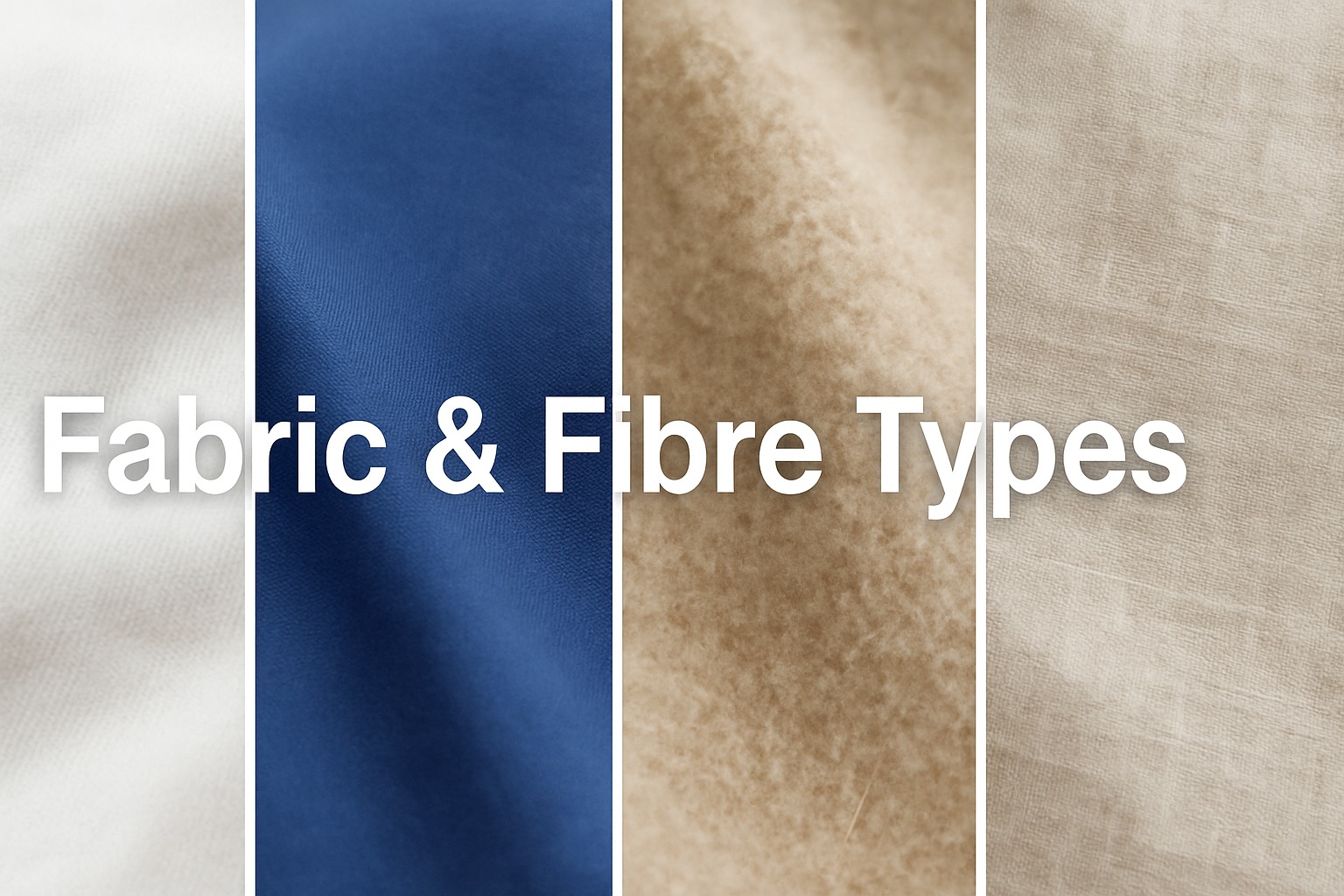
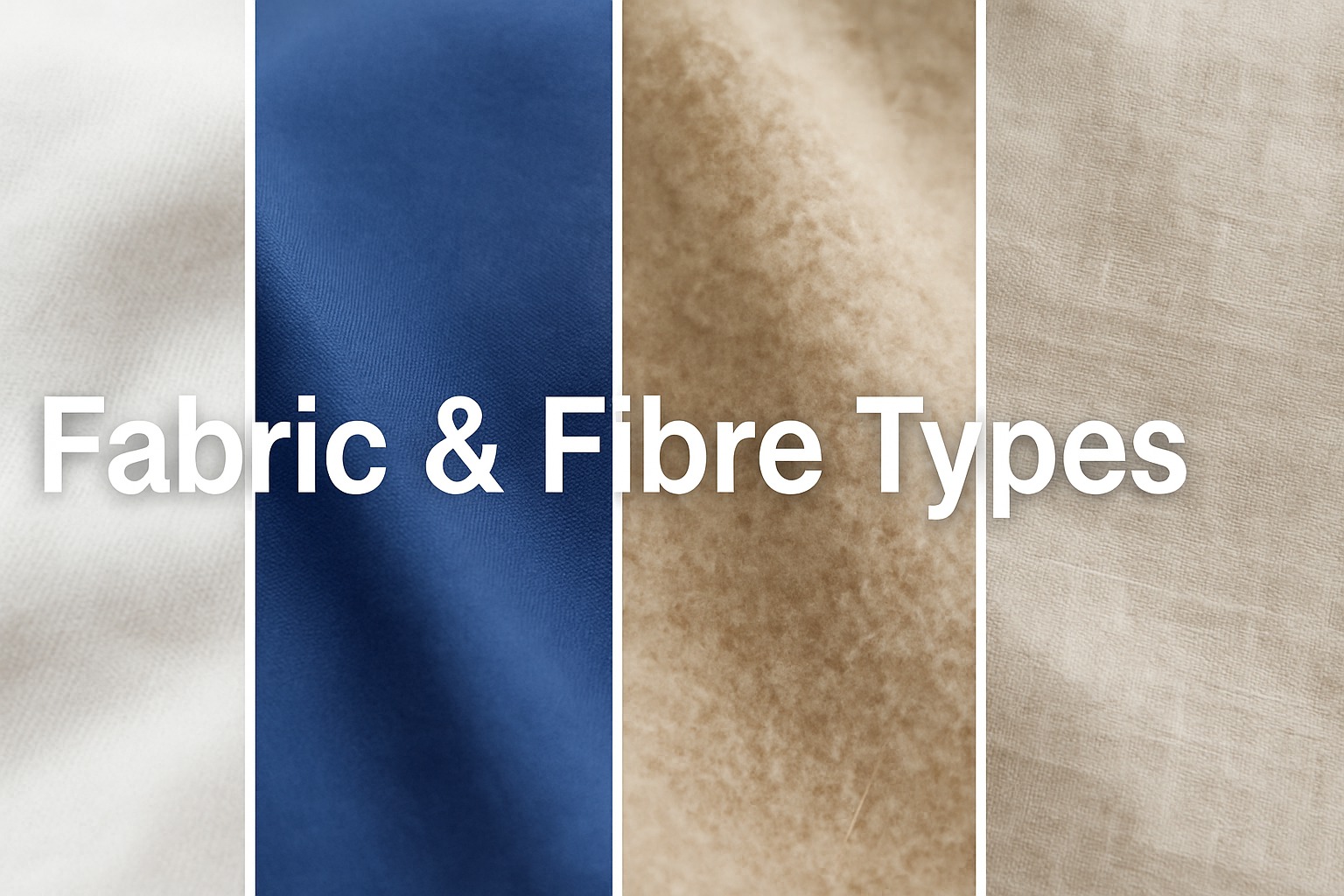
Fabric & Fibre Types
Cotton
-
Strong and durable (strength increases when wet)
-
Sensitive to acids and bleach misuse
-
Handles high heat and alkalis well
-
Highly absorbent — needs longer extraction times
Polyester
-
Sensitive to strong alkalis and chlorine bleach
-
Resistant to acids
-
Attracts oils — requires special detergents
-
Should be separated from cotton/polycotton to prevent greying
Wool
-
Animal fibre, weakens when wet
-
Damaged by alkalis and chlorine bleach
-
Best with neutral detergents, low temps, and gentle action
Linen
-
Made from flax, tolerates high heat and strong detergents
-
Generally safe with normal washing
Silk
-
Delicate animal fibre, avoid alkalis and chlorine
-
Use low-temp oxygen bleach if needed
-
Wash at 35°C with gentle action and neutral detergent
Rayon
-
Weakens with strong acids and alkalis
-
Avoid chlorine bleach
-
Highly flammable
Nylon
- Resistant to alkalis and most organic acids
- Degraded by strong mineral acids
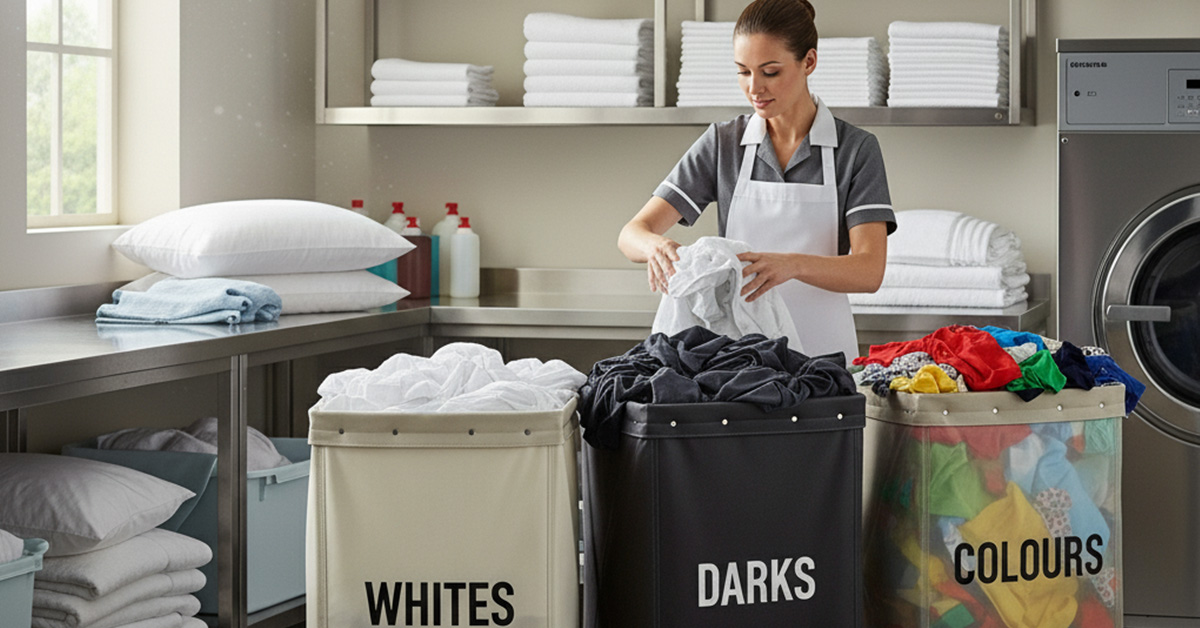
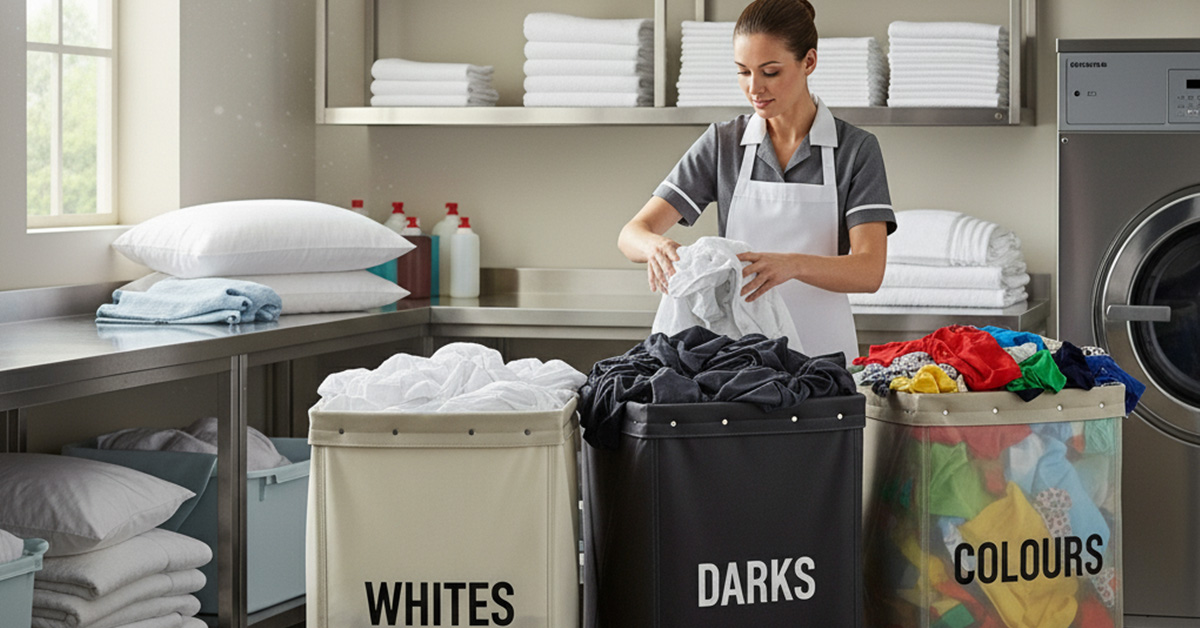
Colour Sorting
-
Wash whites, darks, and colours, separately
-
Never mix white and coloured polycottons — whites may absorb dye
-
Blue polycotton garments can fade when exposed to bleach and sours
Soil Level Classifcation
| Soil Level | Examples |
|---|---|
| Light | Curtains, personals, wool jumpers, hotel/motel bedlinen |
| Medium | Uniforms, towels, face washers, healthcare bedlinen |
| Heavy | Table linen, theatre linen, drawsheets, workwear |
| Foul | Incontinent bedding, theatre linen with blood |
| Infectious | Blood-soiled linen (use dissolvable bags to avoid operator contact) |
Troubleshooting Common Laundry Issues
Poor Overall Wash
-
Check valves, dispenser, and product volumes
-
Review wash formula
-
Avoid overloading
Yellowing/Browning Whites
-
May indicate iron in water, excess chlorine, or alkali carry-over
-
Run a chlorine-only wash for new towelling
-
Add extra rinses or adjust sour dose
Greying or Dull Whites
-
Insufficient rinsing or low water levels
-
Incorrect alkali/detergent dosing
-
Possible mineral contamination
Excessive Linting/Fabric Damage
-
Underloaded washers, too much bleach, or long wash formulas
-
Poor cotton quality may also contribute
Odours
-
Caused by poor soil removal or fragrance breakdown at high temperatures
Stain Removal Issues
-
Check bleach type, dosage, and temperature
Poor Ironing Results
-
Excess souring (low pH)
-
Damp textiles
-
Insufficient fabric conditioner
-
Ironer may require servicing
Final Thoughts
Laundry success depends on understanding your fabrics, choosing the right program, sorting correctly, and balancing the WATCH variables. By following these steps, you’ll extend the life of your linens and garments while achieving a professional finish every time.
Need advice on the right chemicals or equipment for your laundry? Contact Hanleys or explore our range of laundry solutions today.
-
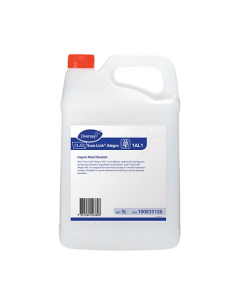 Diversey™ 100835126 Clax® Sure Link® Alegro 1AL1 Alkali Booster 5L$68.45Add to cart to see your price
 -
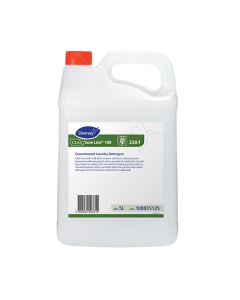 Diversey™ 100835125 Clax® Sure Link® 100 22A1 Laundry Detergent 5L$119.30Add to cart to see your price
 -
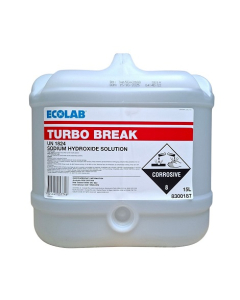 Ecolab® 8300187 Turbo Break Heavy-Duty Alkali Laundry Wash Additive 15L$175.46Add to cart to see your price
 -

-
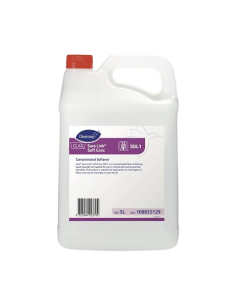 Diversey™ 100835129 Clax® Sure Link® Soft Conc. 5DL1 Softener 5L$87.10Add to cart to see your price
 -
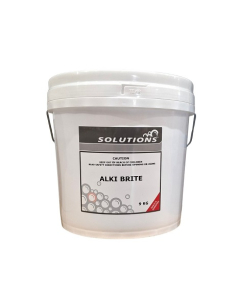 Solutions® 60382 Alki Brite Laundry Powder for Front & Top Loaders 9kg$87.13Add to cart to see your price
 -
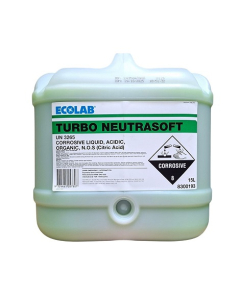 Ecolab® 8300193 Turbo Neutrasoft Liquid Fabric Sour Softener 15L$205.16Add to cart to see your price
 -
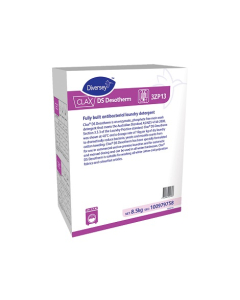 Diversey™ 100979758 Clax DS Desotherm 3ZP13 Antibacterial Laundry Detergent 8.5kg$193.07Add to cart to see your price
 -

-
-
-
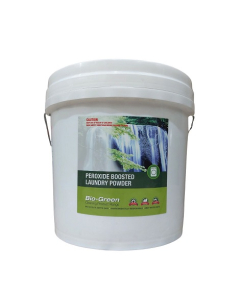 Bio-Green 52341 Peroxide Booster Laundry Powder for Front & Top Loaders 10kg$88.43Add to cart to see your price
 -
-

-
-
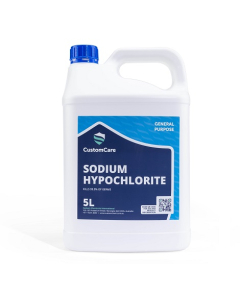
-

-
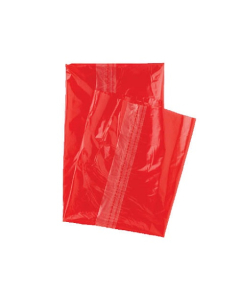 Austar RSSB9199 Laundry Red Soluble Strip Bags 910x990x165mm – Red (250)$186.58Add to cart to see your price
 -
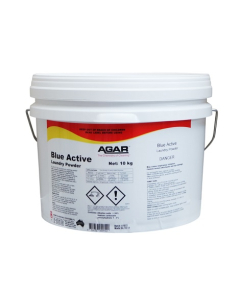
-