The Right to Repair: A Sustainable Solution for longer-lasting tech


This article explores the growing Right to Repair movement and its importance for sustainability, consumer rights, and reducing e-waste. It highlights how manufacturers are increasingly limiting repair access, contributing to a culture of planned obsolescence and unnecessary waste.
The article explains global and Australian developments in Right to Repair policy and how these changes could benefit both consumers and the environment. It also outlines Hanleys’ ongoing commitment to repair over replacement, drawing on over 35 years of experience servicing cleaning machinery to help businesses reduce waste, save money, and extend equipment lifespan.
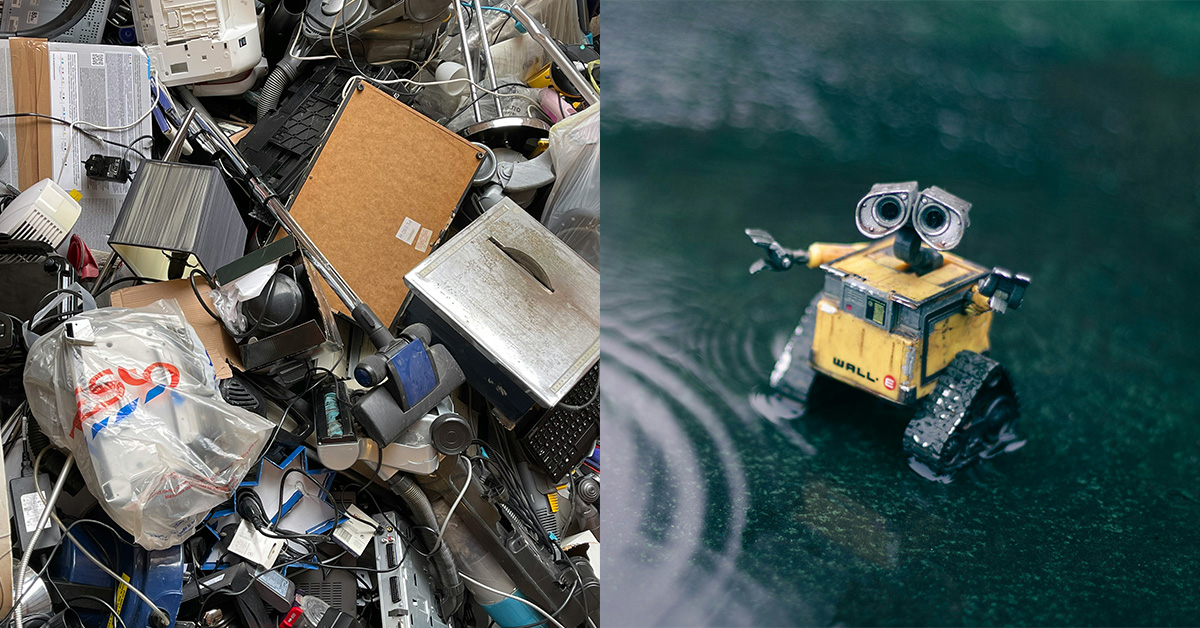
In a world where smart technology surrounds us—from phones to fridges, coffee machines to robot vacuums—life has become more efficient and convenient. But when these products break, the situation quickly becomes more complicated. Increasingly, manufacturers are restricting who can repair their products, limiting access to essential repair information, and often designing products with shorter lifespans to encourage replacements over repairs. This has led to a significant environmental challenge, with many repairable products ending up in landfill.
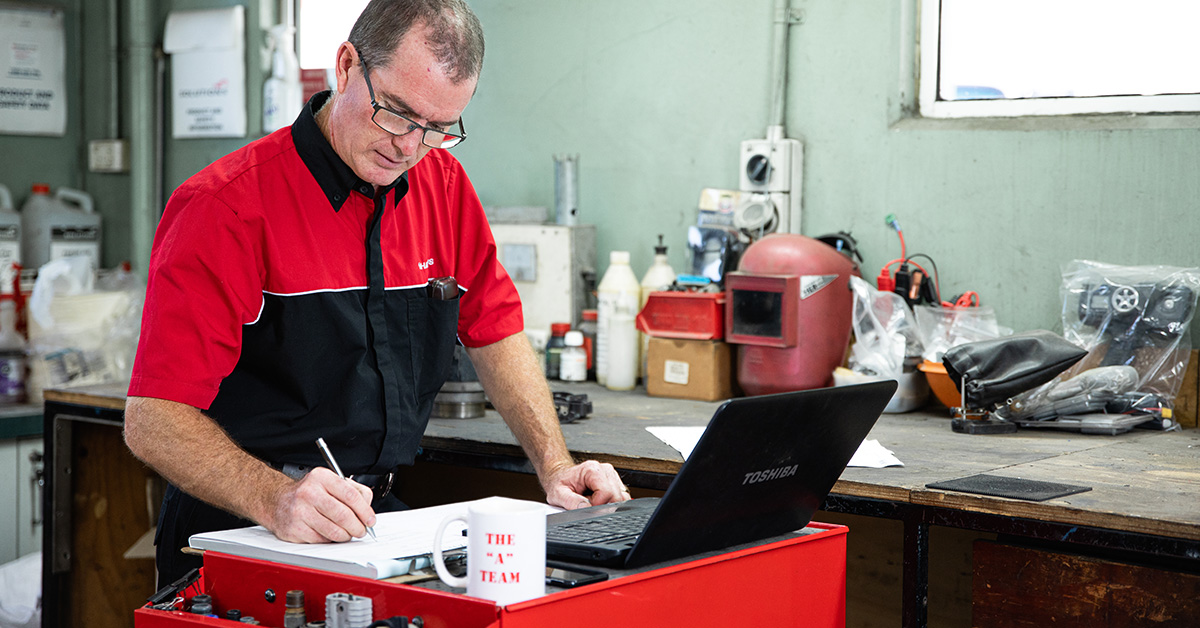
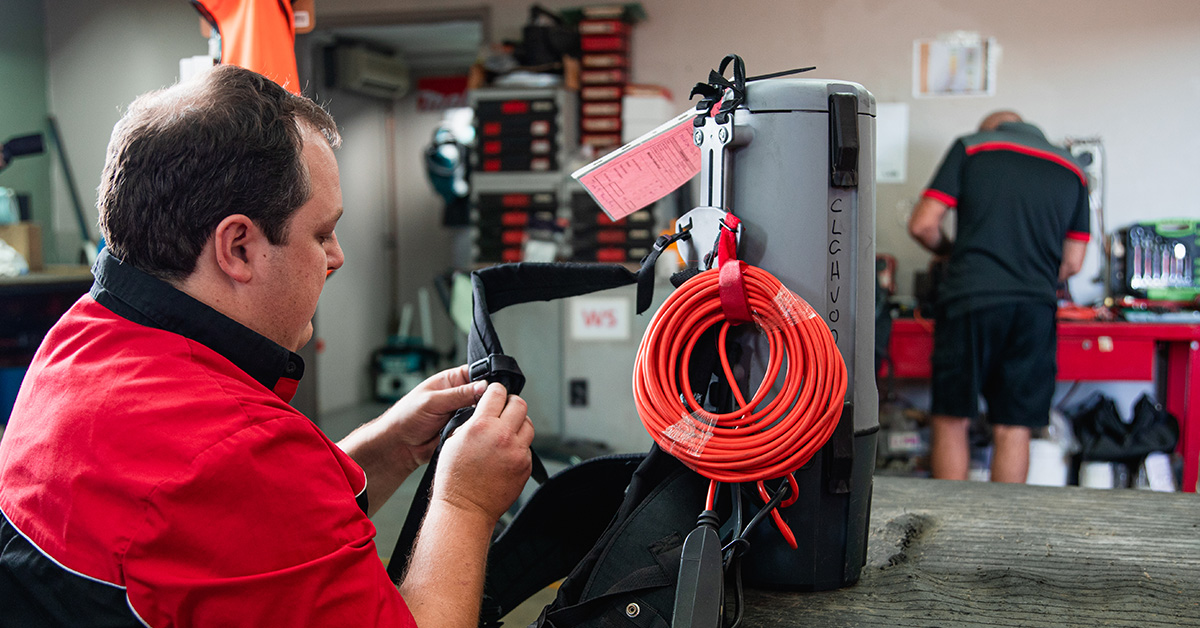
For over 35 years, Hanleys has been dedicated to extending the lifespan of machinery. As a trusted provider of servicing and repairs for a wide range of cleaning equipment, we know firsthand how important it is to prioritise repair over replacement. Whether it's vacuum cleaners, floor scrubbers, or pressure washers, our customers rely on us to keep their machinery running smoothly, extending the useful life of their equipment and minimising waste. This is why the Right to Repair is important to Hanleys.
The Right to Repair movement is pushing back against the growing culture of planned obsolescence—a practice where products are intentionally designed to wear out or become obsolete quickly—by empowering consumers with the right to request repairs for their faulty goods. It’s about creating a sustainable, circular economy and reducing waste, and it's gaining global momentum, especially in regions like Europe.
The Right to Repair Movement: A Global Shift
In 2024, the European Union took a significant step towards sustainability by adopting the Right to Repair directive. This legislation aimed to combat planned obsolescence by making it easier for consumers to repair their products rather than replacing them. The directive requires manufacturers to provide accessible information about the repairability and durability of their products and introduces measures like extended warranties for repaired products and a European platform for connecting consumers to repair services.
This legislation has set a precedent for other parts of the world, particularly Australia, where the Right to Repair movement is also gaining momentum.
The Situation in Australia
In Australia, Pip Kiernan, Chair of Clean Up Australia, has launched the Australian Repair Network (ARN) to advocate for better access to repair information and services across industries. With more products becoming "smart" and reliant on complex software, it’s increasingly difficult for consumers to repair their own products. Manufacturers often restrict access to repair information, creating significant barriers for independent repairers and limiting consumers' ability to fix their devices.
At Hanleys, we understand the importance of breaking down these barriers. We’ve been an authorised repairer for leading cleaning machinery brands for years, ensuring that our customers get the best possible repair service with genuine parts and access to up-to-date diagnostic tools. We’ve seen firsthand how these restrictions impact not only the economy but also the environment, with obsolete machinery contributing to industrial and e-waste. Professor Leanne Wiseman from Griffith University points out that the inability to repair smart goods, machinery, and vehicles is contributing to a growing waste crisis. When repair information is withheld or restricted, perfectly functional products are discarded prematurely.
The Australian Productivity Commission conducted an inquiry and released a Right to Repair report in December 2021. The report identified significant barriers to repair and recommended several measures, including:
- Software updates: Manufacturers must provide software updates for a reasonable time after purchase, ensuring products remain functional for longer.
- Extended warranties: Manufacturer warranties should be clear that repairs do not require the use of authorised parts or services.
- Repair information access: Independent repairers should have greater access to repair manuals, spare parts, and diagnostic tools, removing barriers to competition.
While these proposals are promising, much work remains to ensure that the Right to Repair is fully realised in Australia.
Hanleys and the Importance of Repair Over Replacement
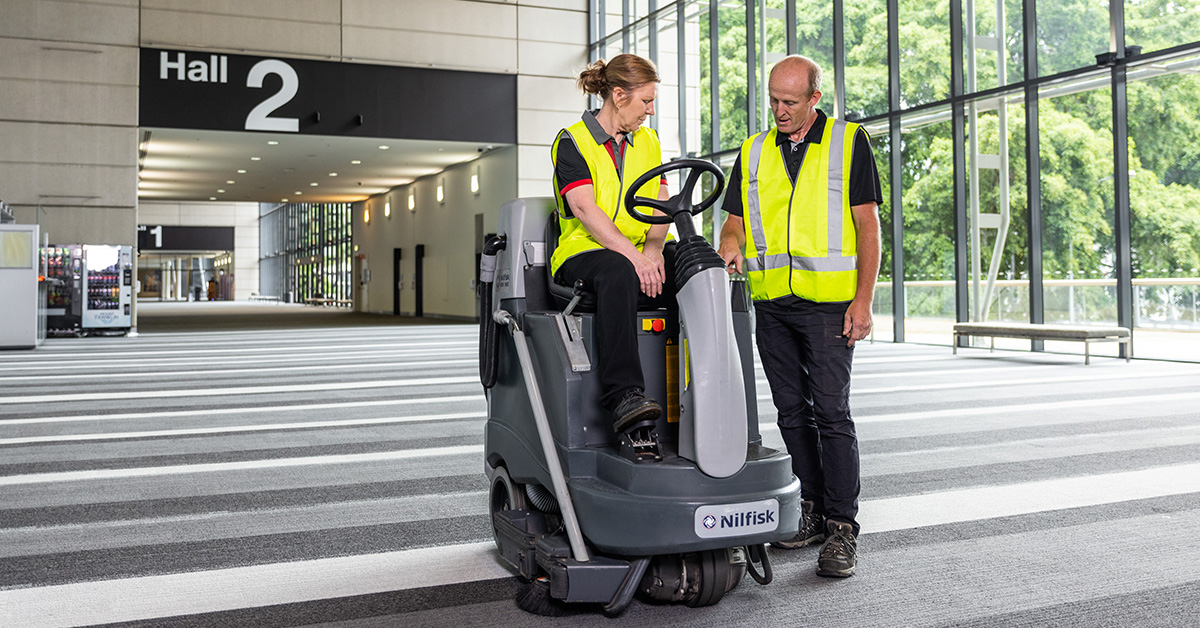
As an authorised repairer for top brands like Gerni, Nilfisk, Hako, Numatic and more, Hanleys is committed to providing high-quality repairs with access to the latest parts and diagnostic tools.
The Right to Repair will grant us even more access to critical repair information, diagnostic data, and genuine parts, allowing us to serve our customers even better and contribute more effectively to the circular economy. With these additional resources, we can ensure that your equipment performs optimally, stays in service longer, and reduces waste, helping you maintain a more sustainable operation.
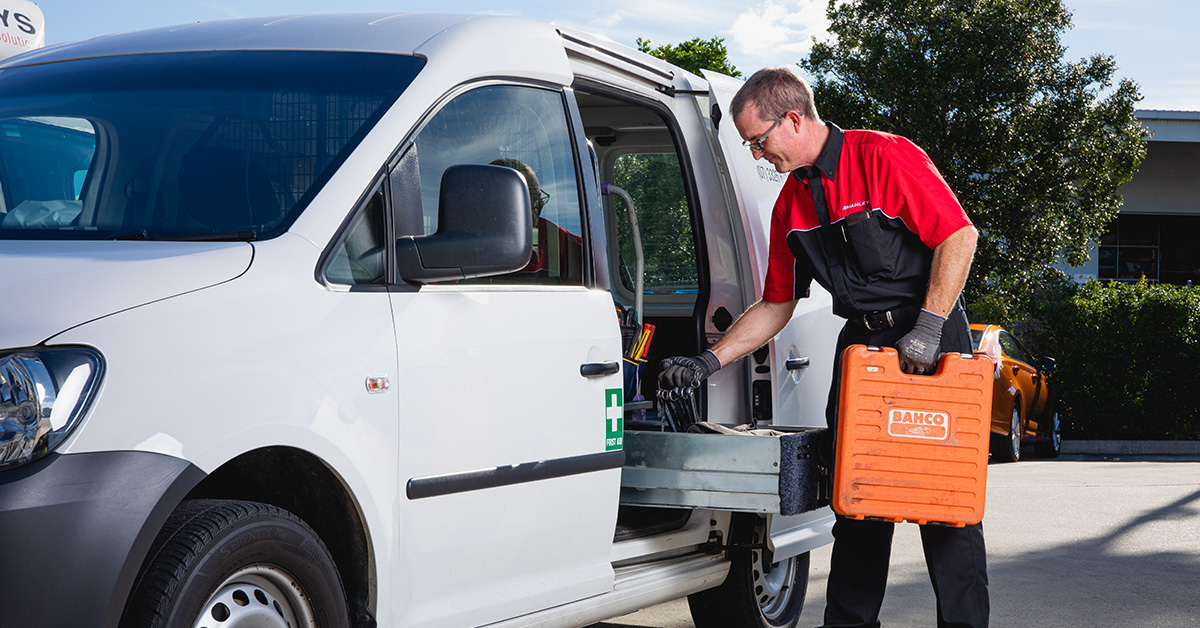
At Hanleys, we believe that purchasing quality equipment and investing in regular servicing and repairs is the key to product and environmental sustainability. Repairing rather than replacing your machinery helps reduce e-waste, supports long-term functionality, and makes sure your tools work as well as you do—or better. Our mobile service technicians are always ready to come directly to your site to collect or service your equipment, ensuring minimal downtime and maximum performance.
Why Repair Matters
The environmental impact of waste is undeniable. According to Clean Up Australia, e-waste is one of the fastest-growing waste streams, with billions of tonnes ending up in landfills each year. When products are designed to break or become obsolete too quickly, it contributes to a culture of throwaway goods—leading to more waste, higher emissions, and more resources consumed in manufacturing replacements.
By prioritising repair over replacement, we can shift toward a more sustainable future. Repairing products rather than discarding them is one of the easiest and most effective ways to promote sustainability and create a circular economy, where resources are reused, and products are given a second life. By empowering consumers with the ability to repair their own goods or seek third-party repairs, we can reduce reliance on cheap, disposable items and make products last longer.

The Future of Repair in Australia
Australia is on its Right to Repair journey. With increasing consumer demand for repairable products and greater access to repair information, the Australian Government has an opportunity to act. Proposed measures include:
- Repairability and durability labels: Introducing a labelling system to inform consumers about the repairability of products, allowing them to make more informed purchasing decisions.
- Amendments to copyright law: Allowing access to repair manuals, software, and diagnostic data to ensure independent repairers can perform the necessary fixes.
- Increased e-waste management: Improving product stewardship schemes and ensuring that e-waste is sent to environmentally sound facilities.
At Hanleys, we’re proud to support the right to repair. We continue to offer expert repairs for a wide range of cleaning machinery, helping businesses and institutions keep their equipment running longer and more efficiently. Our expertise as authorised repairers ensure that your equipment gets the best service, backed by access to genuine parts and diagnostic tools.
For more information on our machine repair services, contact us today: workshop@hanleys.com.au (07) 3326 6711