How to Get Involved in Clean Up Australia Day 2025


This article has been updated for Clean Up Australia Day 2025, which takes place on Sunday 2nd of March. This comprehensive guide includes all you need to know about Clean Up Australia Day for individuals, schools and business – from how to register your event, to activities for schools, and recommended products for your clean up kit.
While our nation’s pollution problem can’t be solved with an annual clean up day, the clean up and the lead up is a great time to reflect on your environmental impact and learn ways to improve it. Beyond the clean up, there are many small and practical ways to act to protect the environment and alleviate Eco anxiety.
What is Clean Up Australia Day?
Clean Up Australia Day is the nation’s largest community-based environmental event, where participants attend or coordinate their own clean ups to help reduce pollution in their local area and the broader nation.
Clean Up Australia is one of the nation’s most recognised environmental charities with the mission to inspire and mobilise communities to improve and conserve our environment, eliminate litter and end waste. Utilising the survey data from volunteers, the charity produces an annual Litter Report which identifies trends in the types and spread of rubbish throughout Australia. Litter Report FY23 identified that plastics continue to dominate the litter landscape, accounting for a whopping 81% of all surveyed litter. From the previous year’s report findings, soft plastics increased to 34%, while hard plastics comprised 28% of all surveyed litter, equating a 4% increase for plastics overall.
The pressing challenges of plastic pollution mean Clean Up Australia is calling for heightened awareness of the need to curb litter production and urging people to get involved in Clean Up Australia Day 2025.

Hanleys encourages the community to take a small step every day to lessen the burden of plastic and marine waste - whether it be through recyling, using environmentally responsible food packaging, cleaners, janitorial products or recycled washroom supplies, or by organising an annual clean up for your school or business.
When is Clean Up Australia Day?
Clean Up Australia Day is held on the first Sunday of March, every year.
Businesses and schools are allocated their own weekday to engage in clean ups in their local area and to promote discussions on sustainability in the workplace and schools.
Business Clean Up Day
Tuesday 25th of February, 2025
Schools & Youth Clean Up Day
Friday 28th of February, 2025
Community Clean Up Day
Sunday 2nd of March, 2025
If you're planning your own clean-up event, you can register and get involved by visiting Clean Up Australia Day Registration page.
What you Need for the Clean Up
It is recommended you register your clean up event with Clean Up Australia or join another registered event. That way, you and your crew will receive a clean-up kit with the main items you need–gloves, mix of bags for rubbish and recyclables, hi-vis supervisor vest, letter with instructions and more.
While the Clean Up Australia kits are fantastic, we recommend adding the below to your kit for a safe and effective clean up:
Garbage Bags
Bin liners and garbage bags should be the first things on the list for your clean up. While these are included in the charity-provided clean up kit, it's great to have additional bags. The Hanleys range includes heavy duty bags, degradable garbage bags, trolley bin liners, and kitchen liners. Think about your litreage requirements and how you plan on carrying the bags (bins or by hand) to help you decide on the best option. Our clean up recommendation is 120 litre clear Degradable Garbage Bag. If in doubt, contact us.
-
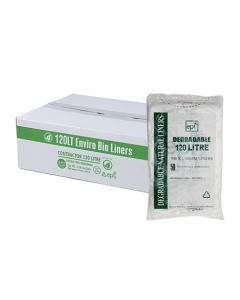 Austar EPI120T Contractor Degradable Garbage Bag 120LT - Clear (200)$54.37Add to cart to see your price
 -
Safety Gloves
Safety gloves and other PPE are essential for your school or business Clean Up Australia Day activity. Our disposable gloves come in varying strengths, thicknesses, materials (latex, nitrile and vinyl) and colours to meet your needs. Our recommendation is Pro-Tek Vinyl Gloves. These lightly powdered gloves come in a range of sizes (small, medium, large and extra large) - to fit primary school kids to adults. They come in packs of 100 to cater for your crew.
-
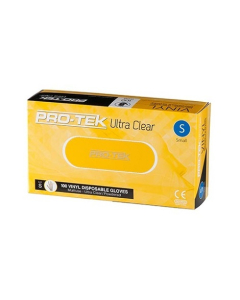 Pro-Tek™ GUCLP-S Vinyl Gloves Small – Lightly Powdered - Clear (100)$4.04Add to cart to see your price
 -
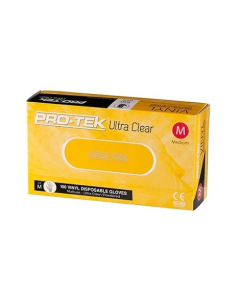 Pro-Tek™ GUCLP-M Vinyl Gloves Medium – Lightly Powdered - Clear (100)$4.04Add to cart to see your price
 -
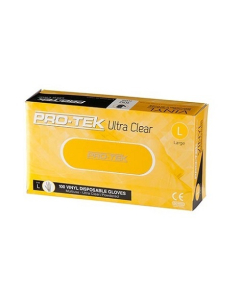 Pro-Tek™ GUCLP-L Vinyl Gloves Large – Lightly Powdered - Clear (100)$4.04Add to cart to see your price
Rubbish Pickers
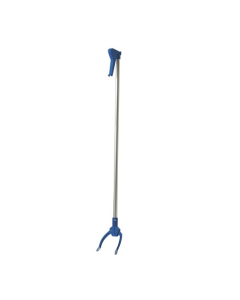
Rubbish pickers and grabbers are a great option to keep your hands clean while cleaning up! The Oates Litter Picker safely collects syringes, sharp objects and general waste. The extra long 100cm handle helps with reach and control to save you the strain of continuous bending to pick up rubbish.
Clinical Waste Disposal Containers
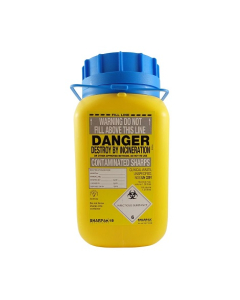
It’s important to be aware of the risks associated with your clean up. Clinical waste and sharps are potential hazards if they are accidentally picked up by hand or foot by a member of your crew. Consider sharps disposal containers and safety clinical waste disposal items to ensure you’re equipped for a safe clean up. If you're not sure where to drop your sharps after the clean up, there are safe and accessible places to dispose of sharps in your local community. These include:
-
Public hospitals
-
Participating pharmacies
-
Community sharps disposal bins.
Sunscreen and Sanitiser
Your clean up will likely be outdoors, so ensure your team is sun safe with SPF 50+. Our choice is the SPF 50+ Sunscreen Lotion with Aloe Vera 1L. This product provides UVA and UVB broad spectrum protection and is four hour water resistant. Best of all, it’s dermatologically tested and suitable for sensitive skin.
Last but certainly not least, add sanitiser to your clean up prep list. Our recommendation is Dettol 500ml to kill 99.99% of germs and bacteria.
-
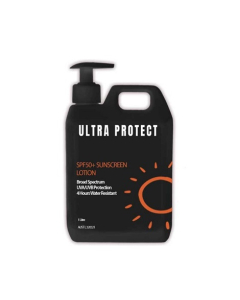 Ultra Protect® UP51LP SPF 50+ Sunscreen Lotion with Aloe Vera 1L$36.69Add to cart to see your price
 -
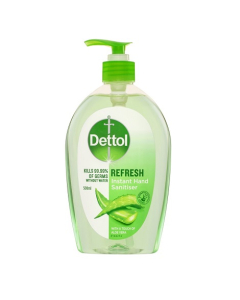 Dettol 3253544 Instant Liquid Hand Sanitiser Refresh Anti-Bacterial 500ml$18.54Add to cart to see your price
Interesting Facts
When did Clean Up Australia Day start?
The first Clean Up Australia Day community event was held in 1990.
Who started Clean Up Australia Day?
Sailor, Ian Kiernan, was shocked by the amount of marine pollution he was noticing, so in January 1989 he took matters into his own hands organising a local clean up of Sydney harbour. ‘Clean Up Sydney Harbour’ was the first community event of its kind and scale in Australia, with around 40,000 volunteers. Ian Kiernan and co-founder Kim McKay went on to launch Clean Up Australia Day the following year with support from Prime Minister, Bob Hawke.
How many people have participated in Clean Up Australia Day?
Since its launch, Clean Up Australia Day has become Australia’s largest community-based environmental event, with more than 20 million Aussies having participated.
38.5 million hours of volunteer time has been donated to Clean Up activities to benefit our environment.

Local Activities
You might start with a clean up on the dedicated annual day and progress from there, but it’s important to remember that positive practical action on a small scale is what helps propel us forward. Here are some local activities, initiatives and mindset shifts you can adopt outside of Clean Up Australia Day to reduce your environmental impact.
If you’ve heard of the 3Rs: Reduce, Reuse, Recycle, well, they’ve been expanded to 5Rs to address the complexity of today’s environmental issues and empower us to create a more sustainable and circular economy, namely: Refuse, Reduce, Repair, Reuse and Recycle.
Refuse
Refuse what you do not need, i.e. single-use items. When making a purchase decision, think to yourself, ‘do I really need this?’. When getting groceries, bring your own bags to save single-use plastic and paper bags ending up in landfill.
Reduce
Reduce what you do need. Cut back on needless purchases and embrace quality over quantity.
Repair
Clean Up Australia strongly advocates for the right to repair products and equipment, including access to parts, and extended warranties. Clean Up Australia is a proud member of the Australian Repair Network – a wide range of stakeholders who collaborate with industry and the community at large to develop legislative and policy changes that enhance repairability.
Hanleys is an authorised repairer for machinery brands including but not limited to Viper, Gerni, Hako, Karcher, Kerrick, Nilfisk, Numatic, Polivac, Cleanstar, Taski, Steam Australia, Makinex, Makita and Ego. We recycle our electrical cords and scrap metals and repair machinery, where possible, to maximise its lifespan. Contact us for a machine repair or to find out more about our sustainable recycling practices: workshop@hanleys.com.au
Reuse
Reuse what you can. Opt for small swaps like microfibre cloths or rags instead of paper towel, and choosing compostable/biodegradable bin liners instead of plastic garbage bags.
Recycle
Most of us recycle with the best intentions, however, Clean Up Australia warns about the ineffectiveness of 'wishcycling'. They shared the items frequently found in kerbside recycling bins that should not be there:
- Plastic bags
- Broken glassware or mirrors or glass from a photo frame
- Batteries
- Clothing and other textiles
- Food containers with food in them.
- Building materials, like pieces of timber or bricks
- Paper towels
If you think you could be recycling better, head to the website of your local council to find out the acceptable items, collection points and collection days in your city. For those based in Brisbane, the Brisbane City Council website has everything you need to get started or improve your recycling, all complete with a Brisbane Bin and Recycling App.
Container Deposit Schemes
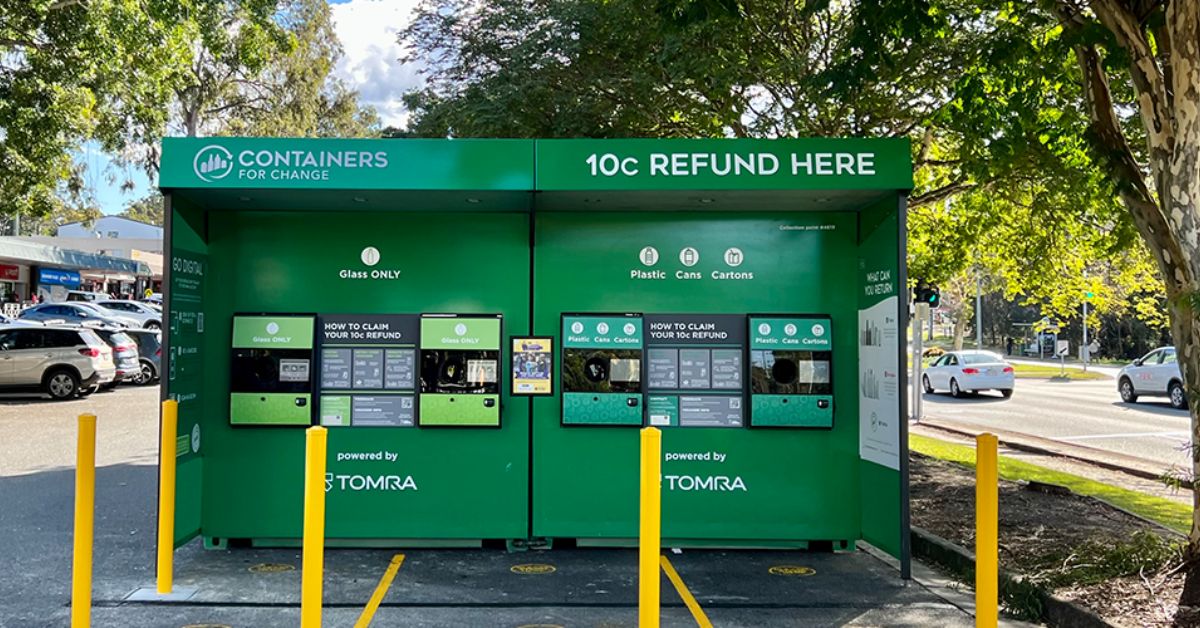
Make back 10 cents per can or bottle by collecting and depositing your recyclable cans and bottles at an authorised collection centre. These schemes slash litter rates and reduce rubbish going to landfill or ending up in the environment. Not to mention, they line your pockets–it really does pay to be sustainable! If you're based in Australia, search Container Deposit Schemes by state here.
For Schools
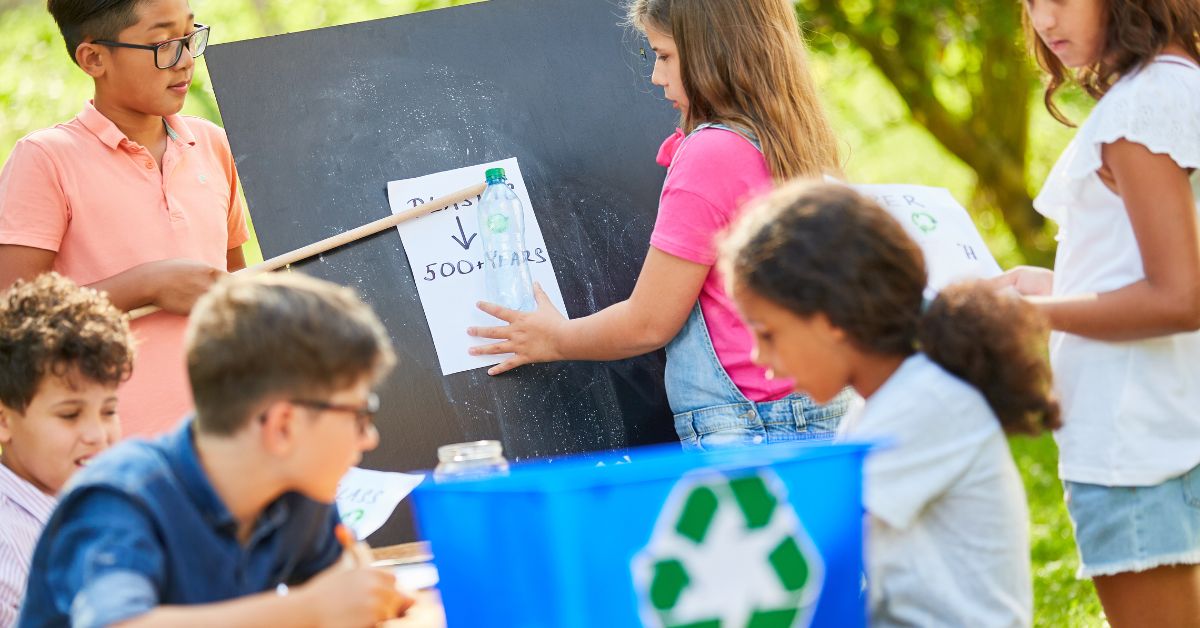
Each year, thousands of schools across Australia participate in Schools Clean Up Day to create a healthier environment and conserve our beautiful country. If you’re a School decision-maker who’s eager to get your class or school involved in a clean up, this year, register with Clean Up Australia and follow their recommendations for a safe and successful event.
Beyond participating in a clean up, there are so many resources available for educators and schools to help foster environmental stewardship.
With the support of Unilever, Clean Up Australia has produced Clean Up Day lessons for 2025 to inspire and empower kids to help clean up our environment. Head to the Clean Up Australia Day website to take advantage of these free classes and other education resources for your students and/or kids.