Everything You Need to Know About Paper Towel



When it comes to hygiene and convenience, paper hand towel is essential for homes and businesses alike. Whether you're outfitting a busy office washroom or mopping up food mess in your home kitchen, the right towel does more than just dry hands. The right choice of towel supports hygiene standards, minimises waste, and can even reduce operational costs when used efficiently with a compatible dispenser. This guide will walk you through the key considerations for choosing paper hand towels and help you find the right fit for your space.
Things to Consider: Ply, Absorbency & Fold Type
Choosing the right towel begins with understanding ply, absorbency and folding style:
Ply: Refers to the number of layers in a sheet. 2-ply options are often thicker and more absorbent, while modern 1-ply towels can perform impressively in low- to medium-traffic areas. 2-ply towels are typically considered more premium; being thicker, they allow users an added sense of comfort and faster hand-drying. 1-ply are typically more economical and thinner, yet still a durable and viable option for price-sensitive customers.
Through‑Air‑Drying (TAD): This manufacturing method can dramatically influence performance. Towels made with the through‑air‑drying process are dried with heated air instead of being compressed between hot rollers. This preserves a more open fibre structure, resulting in softer feel, higher bulk and markedly better absorbency—often allowing a TAD 1‑ply towel to rival or even outperform a conventional 2‑ply. Because TAD towels hold more water per gram of paper, they can reduce the number of sheets users need and lower overall consumption without sacrificing strength.
Absorbency: More absorbent towels help users dry their hands with fewer sheets, reducing waste and restocking needs. Embossed or patterned towels perform better thanks to their increased surface area and liquid-holding capacity. These textured patterns help trap water within the folds and crevices, making the towel more effective at cleaning up spills.
| Feature | 1-Ply | 2-Ply |
|---|---|---|
| Absorbency | Moderate (improved with modern tech) | High – absorbs more moisture per sheet |
| Strength When Wet | Good (varies by brand) | Typically stronger and more durable |
| Softness/Comfort | Basic to moderate | Softer and more comfortable feel |
| Cost | Lower cost per sheet | Higher cost, but fewer sheets often needed |
| Best For | High foot traffic, cost-sensitive use | Low to medium foot traffic, premium feel, user satisfaction |
| Dispenser Compatibility | Widely compatible | Compatible with most dispensers |
| Eco-Friendly Options | Widely available | Also available, but use more material |
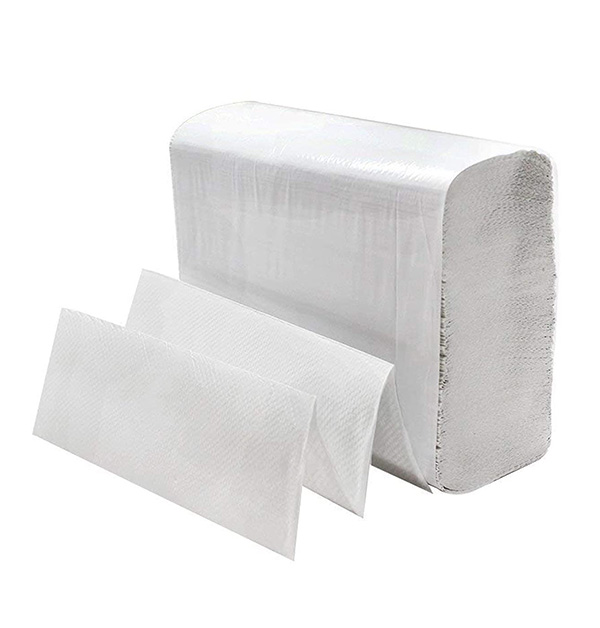
Fold Type: Impacts cost and efficiency. While there are a range of roll and centrefeed hand towel dispensers on the market, folded towel—specifically ultra slim—remain the most popular choice among Hanleys customers. Most folded paper towels are interfolded (also known as interleaved), meaning each sheet is designed to interlock with the next for smooth, one-at-a-time dispensing. This not only improves hygiene but also helps reduce waste. If you're opting for folded hand towels, it's good to be aware of the types available and the differences between them.
-
Z-Fold / Interfold: These towels are zig-zag folded so each one interlocks with the next. They provide true single-sheet dispensing, improving hygiene and reducing waste. Slightly higher in cost, but efficient and cost-effective over time. Ideal for high-traffic washrooms, offices, and healthcare settings
-
Multifold: Similar to Z-fold but with slight overlapping between towels. Designed for one-at-a-time dispensing, though some dispensers may allow multiple towels to come out. Offers a good balance between cost and performance, suitable for medium to high-traffic areas.
-
C-Fold: Folded into a 'C' shape and stacked on top of each other. While affordable and easy to source, they can lead to more waste as users may pull out several at once. Best suited for low-traffic or budget-conscious environments.
-
Single Fold (V-Fold): Simple V-shaped fold with loose stacking. These are low-cost and readily available, but often lead to higher usage and hygiene concerns due to lack of dispensing control. Ideal for basic, low-traffic situations.
Your choice here can influence not just user satisfaction but also long-term operating costs.
Eco-Friendly or Not – What Matters Most to You
Sustainability is becoming a key factor in purchasing decisions. However, it's often weighed against practical needs like cost and performance.
Eco-conscious buyers tend to prioritise:
-
Recycled or biodegradable materials
-
FSC, Green Seal or similar certifications
-
Reduced or plastic-free packaging
-
Honest, transparent labelling
-
Availability at regular stores or online
-
Strong performance in absorbency and durability
-
Fair price point compared to non-eco alternatives
That said, price is still the most influential factor for many. If an eco-friendly product feels too expensive or doesn’t perform as well, it’s often overlooked. Availability also plays a role—people tend to choose what's easily accessible. Clear and honest labelling is essential; consumers are increasingly wary of greenwashing, and trust plays a big role in brand loyalty.
If you are eco-minded and prefer sustainable papers, keep an eye out for the below logos of Certification, typically found on product packaging or in marketing (e.g. brochures and flyers):
Forest Stewardship Council (FSC)
Verifies that a product is made from sustainably managed forests, contributing to the responsible use of the world’s forests.

Green Seal
Is a global non-profit organisation and an environmental certification mark indicating that a product or service meets high standards for health and environmental leadership.
Australian Packaging Covenant Organisation (APCO)
A document that sets out how governments and businesses share the responsibility of managing the environmental impacts of packaging in Australia. By being a member, organisations agree to shared commitments and joint responsibility to work collaboratively to achieve sustainable packaging outcomes.

Smart Uses for Paper Towels – Tips and Tricks
Paper hand towels are more than just a hand-drying solution. Their versatility makes them an everyday essential. In the kitchen, they can be used to wrap vegetables or baked goods to keep them fresh. When dampened, they’re great for reviving stale bread or steaming food in the microwave. They can double as napkins, makeshift food wraps, or even as a quick cleaning cloth for spills and grease.
In the office, you can freshen the air by spraying air freshener on a towel and placing it near a vent. Paper towels are also handy for applying a light coat of oil to pans or cleaning cast iron cookware.
Their disposability makes them convenient for tasks where hygiene is a priority, such as wiping down shared bathroom surfaces or blotting food grease.
When NOT to Use Paper Towels
Despite their flexibility, there are situations where paper towels aren’t the best option.
Avoid for Delicate Surfaces
TV screens, eyeglasses, and mirrors are prone to scratches or lint. Use a microfibre or glass cleaning cloth instead.
Not Ideal for Heavy-Duty Cleaning
Tasks like scrubbing grease, drying large dishes, or outdoor messes are better suited to reusable cloths or sponges. Using paper towels in these scenarios can lead to excessive waste and higher long-term costs.
Plumbing Warning
Never flush paper towels—they don't break down like toilet paper and can cause plumbing issues.
Types of Hand Towel
There’s a wide variety of paper hand towels available on the market, each designed for specific dispensers and usage needs. Choosing the right type starts with understanding the dispenser you have—its size and design often determine what paper towel types are compatible. If you don’t yet have a dispenser, focus on your application: where will the towels be used, and what tasks do they need to handle? From high-traffic restrooms to kitchen prep areas, the right towel enhances hygiene, efficiency, and user experience.
Check out our guide below for some of the key differences between the most common hand towel types.
| Type | Folded Towel Width | Dispensing Style | Key Features | Best For |
|---|---|---|---|---|
| Compact | 5cm | Manual, interleaved (one-at-a-time) | Space-saving, narrowest folded towel | Tight spaces, light commercial use |
| Ultraslim | 6–6.5cm | Manual, interleaved (one-at-a-time) | Most popular, medium-sized folded towel | Small washrooms or wall-mounted units |
| Slimline | 8–8.5cm | Manual, interleaved (one-at-a-time) | Largest of folded towels, higher capacity dispenser | Offices, public restrooms |
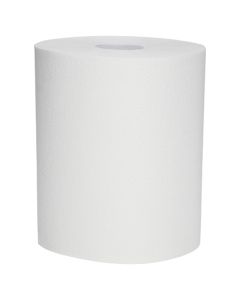
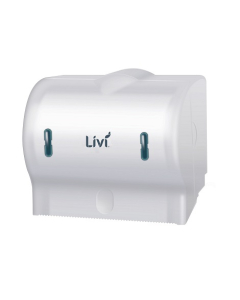
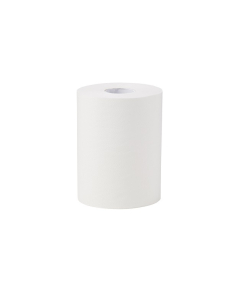
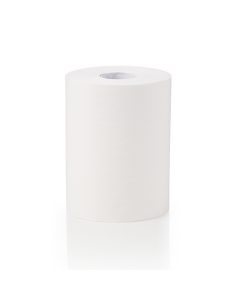
| Roll Towel | – | Manual or automatic dispenser | Pull what you need, more control with sensor dispensers | Schools, industrial and commercial spaces |
| Centrefeed | – | Pulled from the centre of roll | High absorbency, quick-access, good for wiping hands and surfaces | Kitchens, food prep, warehouses |
Why Fold Size Matters
Fold size directly affects how paper towels dispense, how many fit in a dispenser, and how much users are likely to use. Larger towels may seem more convenient but require more storage and frequent refills. Smaller, compact folds like interfold or multifold are designed for efficient one-at-a-time dispensing, reducing waste and managing usage more effectively.
Some dispensers are only compatible with specific towel sizes—often from the same manufacturer. This can limit flexibility and tie you to specific products. Before choosing a dispenser or towel type, make sure they’re compatible to avoid unexpected costs and limitations. Look for unfolded and folded size dimensions on the website product page or on the Product Information Sheet (PIS) to ensure the towel is compatible with your dispenser.
What Paper Will Fit My Dispenser?
Not all dispensers are created equal. Some are designed to work only with proprietary towel sizes, limiting your flexibility and potentially increasing costs. Before purchasing towels or a new dispenser, double-check the dimensions and fold type required. Look for standardised options like interfold, multifold, or slimline to ensure ongoing compatibility and better supply choices.
Finding the right paper hand towel can make a significant difference to hygiene, cost, and user satisfaction. Whether you prioritise sustainability, convenience, or performance, there's a towel option to match. And if you're ever unsure, the team at Hanleys is always here to help you choose what’s right for your business or home. Reach out to us via sales@hanleys.com.au or on (07) 3326 6711.
Compact
Kimberly-Clark
-
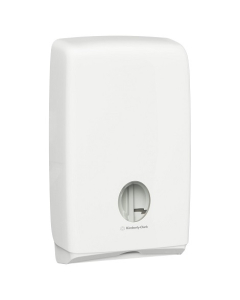 Kimberly-Clark Professional® 70240 Aquarius® Compact Paper Towel Dispenser - White$56.68Add to cart to see your price
 -
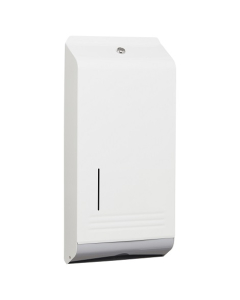 Kimberly-Clark Professional® 4969 Compact Hand Towel Dispenser Metal – White/Grey$167.31Add to cart to see your price
 -
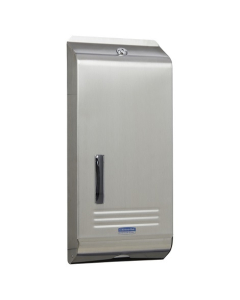 Kimberly-Clark Professional® 4970 Compact Hand Towel Dispenser – Stainless Steel$218.05Add to cart to see your price
 -
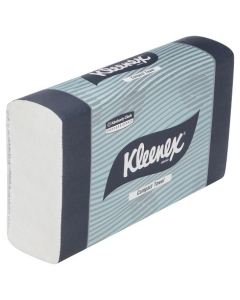
-
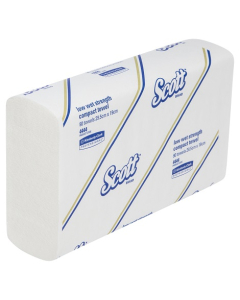 Scott® 4444 Low Wet Strength Compact Hand Towel 24 packs x 90 sheets - white$98.56Add to cart to see your price
Tork
-
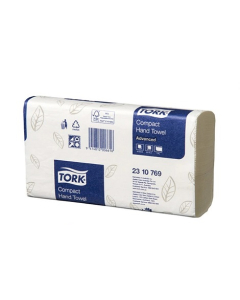 Tork® 2310769 Compact Hand Towel Advance 1ply 24pks x 90sh – H3$93.34Add to cart to see your price
Veora
-
-
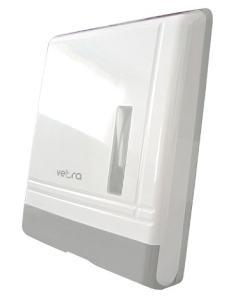
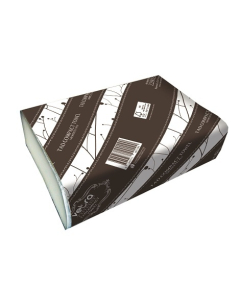 Veora™ 22802F Compact Towel 1 Ply Exclusive TAD 18 packs x 120 sheets$59.84Add to cart to see your price
Multifold
Livi
-
-
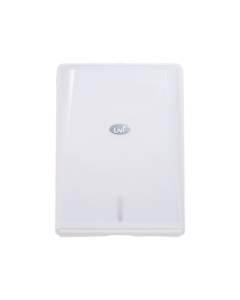
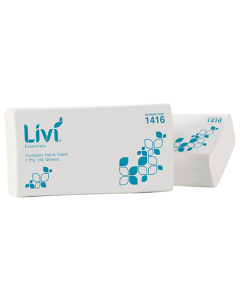 Livi® 1416 Essentials Compact Hand Towel 1 Ply 16 packs x 150 sheets$66.90Add to cart to see your price
 -
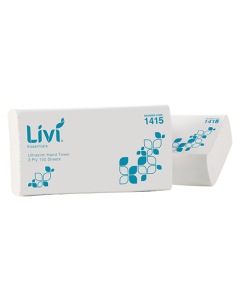 Livi® 1415 Essentials Ultraslim Hand Towel 2 Ply 16 packs x 150 sheets$65.32Add to cart to see your price
Veora
-
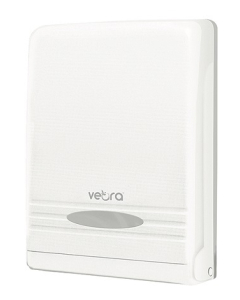
-
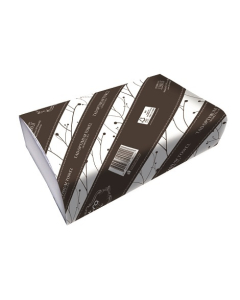 Veora™ 22803F Optimum Towel 1 Ply Exclusive TAD 20 packs x 120 sheets$90.75Add to cart to see your price
 -
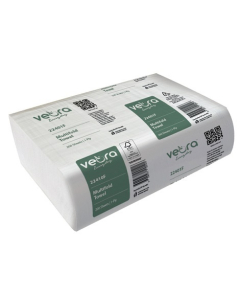 Veora™ 22401F Everyday Multifold Towel 1 Ply 20 packs x 200 sheets$78.87Add to cart to see your price
 -
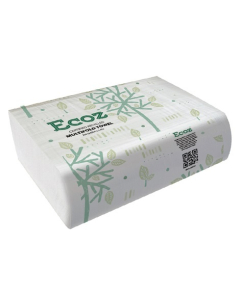 Veora™ 22904 Neutra Ecoz HPC Recycled Multifold Towel 1 Ply 16 packs x 250 sheets$69.30Add to cart to see your price
Solutions
-
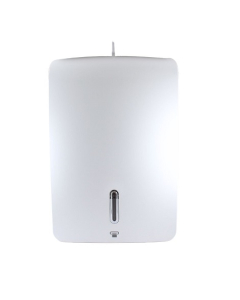
-
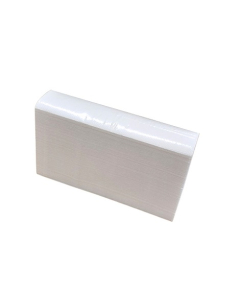 Solutions® T15016 Ultraslim Hand Towel TAD 1 Ply 16 Packs x 150 sheets$52.56Add to cart to see your price
 -
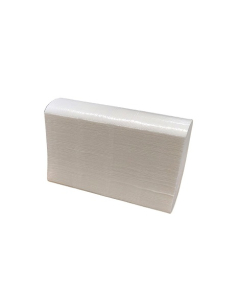 Solutions® T20020 Hand Towel Multifold TAD 1ply 20pks x 200 sheets$74.56Add to cart to see your price
Tork
-
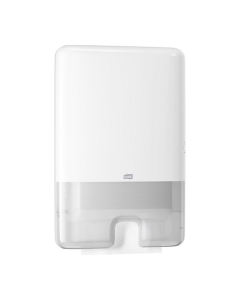 Tork Xpress® 552000 Multifold Hand Towel Dispenser H2 ABS – White$79.01Add to cart to see your price
 -
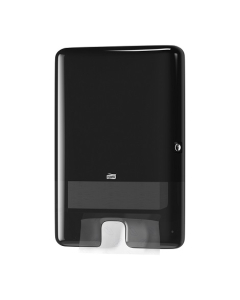 Tork Xpress® 552008 Multifold Hand Towel Dispenser H2 ABS – Black$86.88Add to cart to see your price
 -
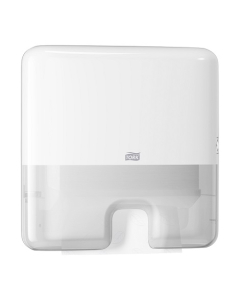 Tork Xpress® 552100 Multifold Mini Hand Towel Dispenser H2 ABS – White$63.17Add to cart to see your price
 -
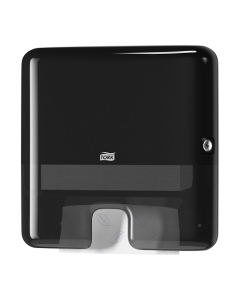 Tork Xpress® 552108 Multifold Mini Hand Towel Dispenser H2 ABS – Black$69.50Add to cart to see your price
 -
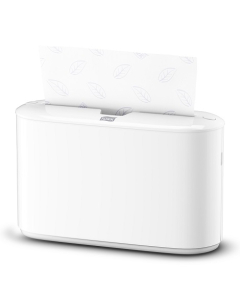 Tork Xpress® 552200 Countertop Multifold Hand Towel Dispenser H2 ABS – White$71.85Add to cart to see your price
 -
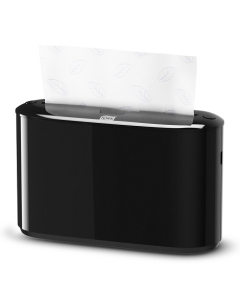 Tork Xpress® 552208 Countertop Multifold Hand Towel Dispenser H2 ABS – Black$79.20Add to cart to see your price
 -
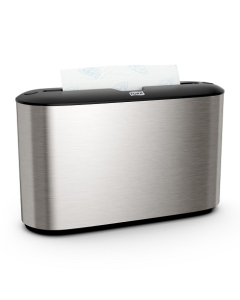 Tork Xpress® 460005 Countertop Multifold Hand Towel Dispenser H2 – Stainless Steel$125.38Add to cart to see your price
 -
 Tork Xpress® 460004 Multifold Hand Towel Dispenser H2 - Stainless Steel$153.91Add to cart to see your price
 -
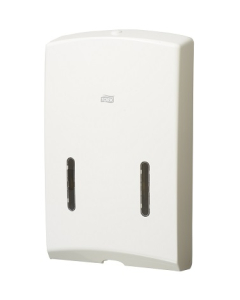 Tork® 2320416 Ultraslim Multifold Hand Towel Dispenser H4 Acrylic – White$60.17Add to cart to see your price
 -
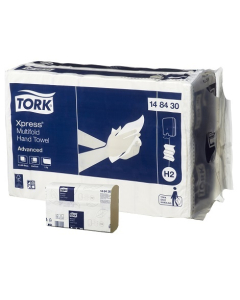 Tork Xpress® 148430 Multifold Slimline Hand Towel Advanced 21pks x 185sh - H2$146.27Add to cart to see your price
 -
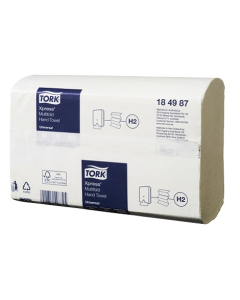 Tork Xpress® 184987 Slimline Multifold Hand Towel Universal 1ply 21pks x 230sh – H2$156.61Add to cart to see your price
 -
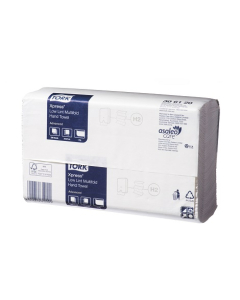 Tork Xpress® 306120 Low-Lint Slimline Multifold Hand Towel Advanced 1ply 21pks x 209sh – H2$125.40Add to cart to see your price
 -
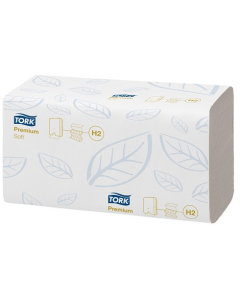 Tork Xpress® 100289 Soft Multifold Hand Towel Premium 2Ply 21pks x 150sh – H2$154.69Add to cart to see your price
 -
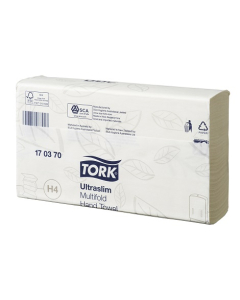 Tork® 170370 Ultraslim Multifold Hand Towel Advance 1ply 20pks x 150sh – H4$68.31Add to cart to see your price
Kimberly-Clark
-
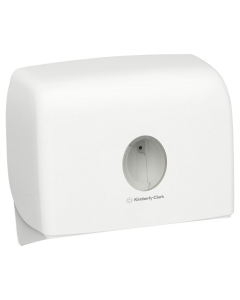 Kimberly-Clark Professional® 70220 Aquarius® Multifold Towel Dispenser - White$55.79Add to cart to see your price
 -
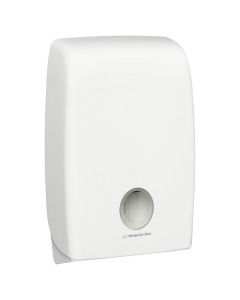 Kimberly-Clark Professional® 70230 Aquarius® Double Multifold Towel Dispenser - White$95.37Add to cart to see your price
 -
-
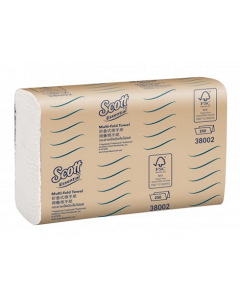 Scott® 38002 Essential™ Multi-Fold Hand Towel 16packs x 250sheets$78.32Add to cart to see your price
 -
Interfold
Tork
-
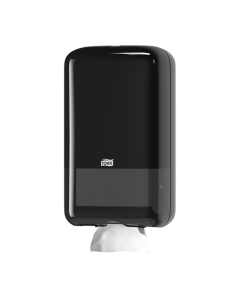 Tork® 556008 Folded Toilet Paper/Hand Towel Dispenser T3 ABS – Black$62.57Add to cart to see your price
 -
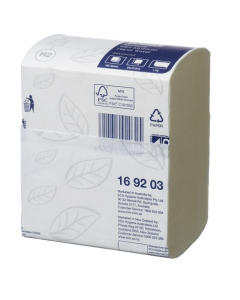 Tork® 169203 Mini Multifold Hand Towel Advance 1ply 42pks x 185sh – T3$166.91Add to cart to see your price
 -
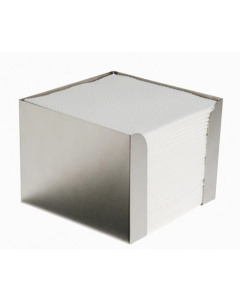 Tork® 2291154 Guest Benchtop Hand Towel Dispenser – Stainless Steel$66.88Add to cart to see your price
 -
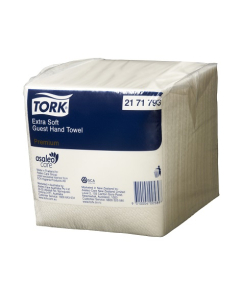 Tork® 2171793 Quarterfold Extra Soft Guest Hand Towel Premium 1ply 4pks x 100sh$193.44Add to cart to see your price
Kimberly-Clark
-
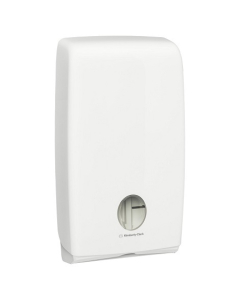 Kimberly-Clark Professional® 70250 Aquarius® Optimum Interleaved Paper Towel Dispenser – White$81.73Add to cart to see your price
 -
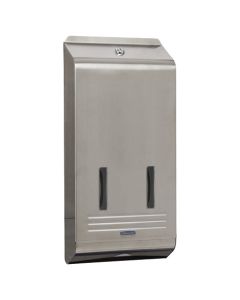 Kimberly-Clark Professional® 4950 Optimum Interleaved Paper Hand Towel Dispenser – Stainless Steel$309.08Add to cart to see your price
 -
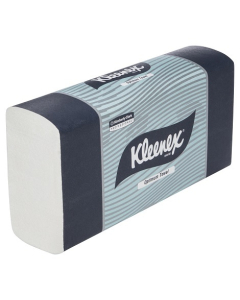 Kleenex® 4456 Optimum Interleaved Hand Towel 20 packs x 120 sheets$120.70Add to cart to see your price
Livi
-
-
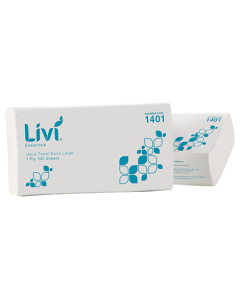 Livi® 1401 Essentials Interleaved Hand Towel Extra Large 1 Ply 24 packs x 100 sheets$102.83Add to cart to see your price
 -
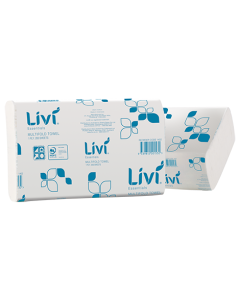 Livi® 1402 Essentials Multifold Hand Towel 1 Ply 20 packs x 200 sheets$73.79Add to cart to see your price
 -
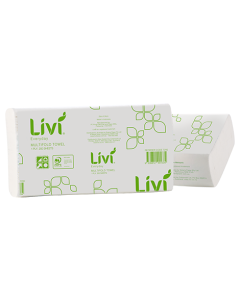 Livi® 7200 Everyday Multifold Hand Towel 1 Ply 20 packs x 200 sheets$70.58Add to cart to see your price
 -
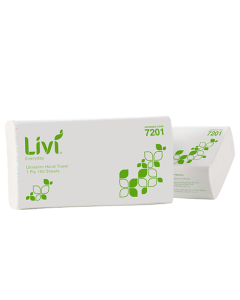 Livi® 7201 Everyday Ultraslim Hand Towel 1 Ply 16 Packs x 150 sheets$62.52Add to cart to see your price
Centrefeed
-
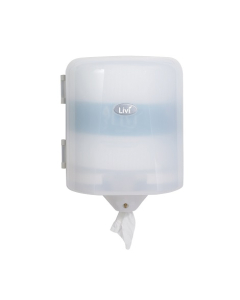
-
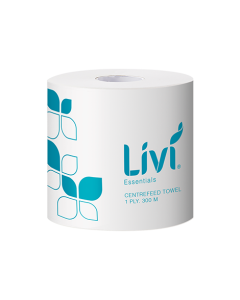 Livi® 1203 Essentials Centrefeed Hand Towel Roll 1Ply 4rolls x 300m$53.00Add to cart to see your price
 -
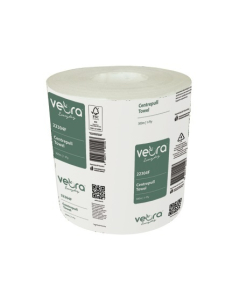
Roll Towels
Kimberly-Clark
-
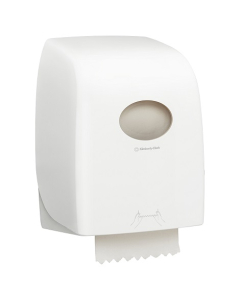 Kimberly-Clark Professional® 69590 Aquarius® Hard Roll Hand Towel Dispenser - White$192.36Add to cart to see your price
 -
 Scott® 6668 Paper Hard Roll Hand Towel 1 ply 6 rolls x 305m – Blue$165.19Add to cart to see your price
 -
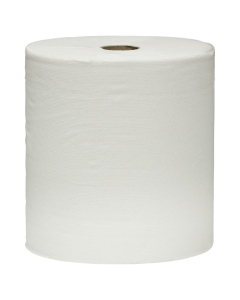 Kleenex® 6765 Paper Hard Roll Hand Towel 2 ply 6 rolls x 130m – White$151.86Add to cart to see your price
 -
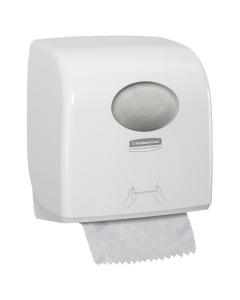 Kimberly-Clark Professional® 7955 AQUARIUS® Slimroll™ Roll Hand Towel Dispenser – White$123.77Add to cart to see your price
 -
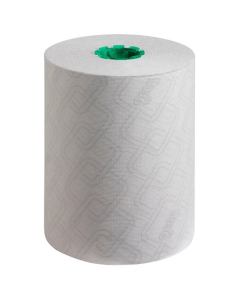 Scott® 86223 Printed Slimroll™ Printed Paper Hand Towels 1 ply 6 rolls x 176m - White$95.37Add to cart to see your price
 -
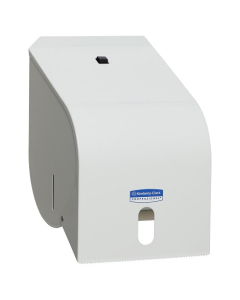 Kimberly-Clark Professional® 4941 Roll Towel Dispenser – White Enamel$110.68Add to cart to see your price
 -
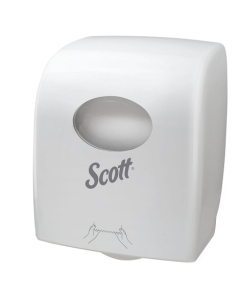
-
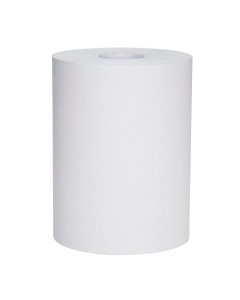 Scott® 44199 Paper Long Roll Hand Towel 1 ply 8 rollsx140m – White$70.51Add to cart to see your price
 -
 Scott® 12388 Slim Roll Paper Hand Towels 6 rolls x 176m - White$95.37Add to cart to see your price
 -
-

Livi
Tork
-
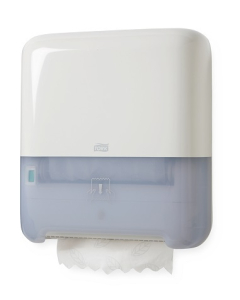
-
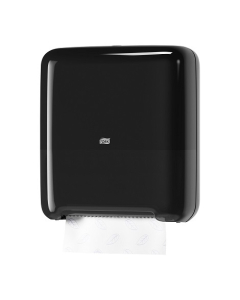
-
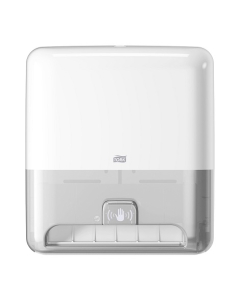 Tork Matic® 551100 Hand Towel Roll Dispenser with Intuition™ Sensor H1 ABS- White$268.29Add to cart to see your price
 -
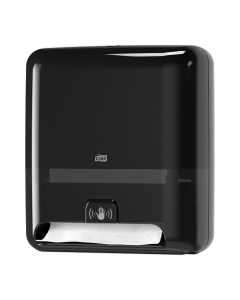 Tork Matic® 551108 Hand Towel Roll Dispenser with Intuition™ Sensor H1 ABS - Black$295.33Add to cart to see your price
 -
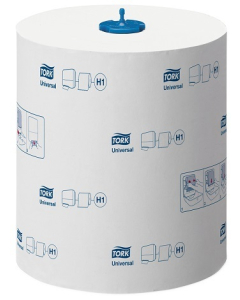 Tork Matic® 290059 Extra Long Hand Towel Roll Universal 6 rolls x 280m – H1$194.15Add to cart to see your price
 -
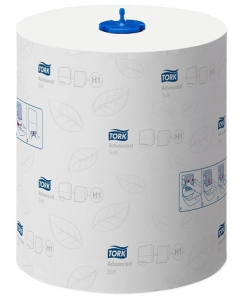 Tork Matic® 290067 Advanced Soft Hand Towel Roll 6 rolls x 150m - H1$135.96Add to cart to see your price
 -
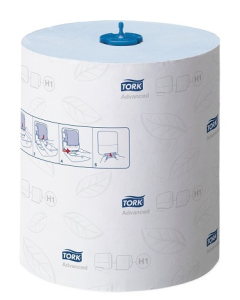 Tork Matic® 290068 Advanced Hand Towel Roll 6 rolls x 150m - Blue -H1$135.96Add to cart to see your price