Disinfecting vs Cleaning: Know the Difference


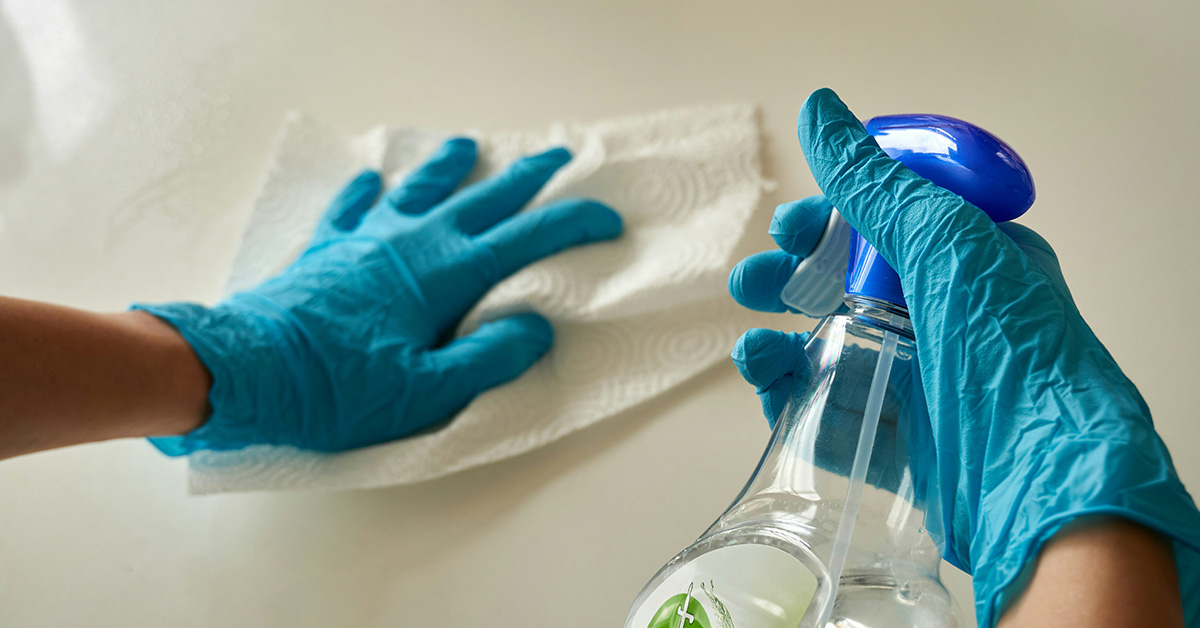
Understanding the difference between cleaning and disinfecting is essential for maintaining a healthy environment - in homes, schools, childcare centres, aged care facilities, offices, or healthcare settings. While both are necessary for optimal hygiene, cleaning and disinecting serve different purposes - mistaking one for the other can lead to the spread of germs that may cause illness.
By clearly understanding when and how to clean versus disinfect, cleaners can create more hygienic spaces, prevent the spread of germs, and ensure the products and methods they use are effective for the situation.
Step 1: Cleaning – “Removing the Gunk”
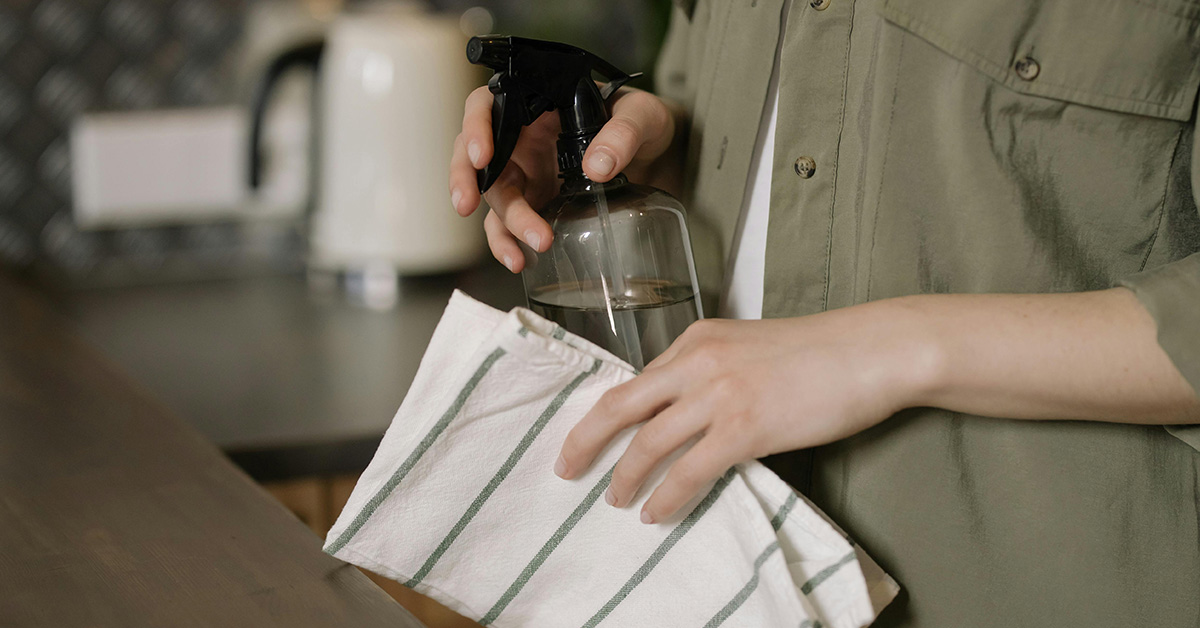
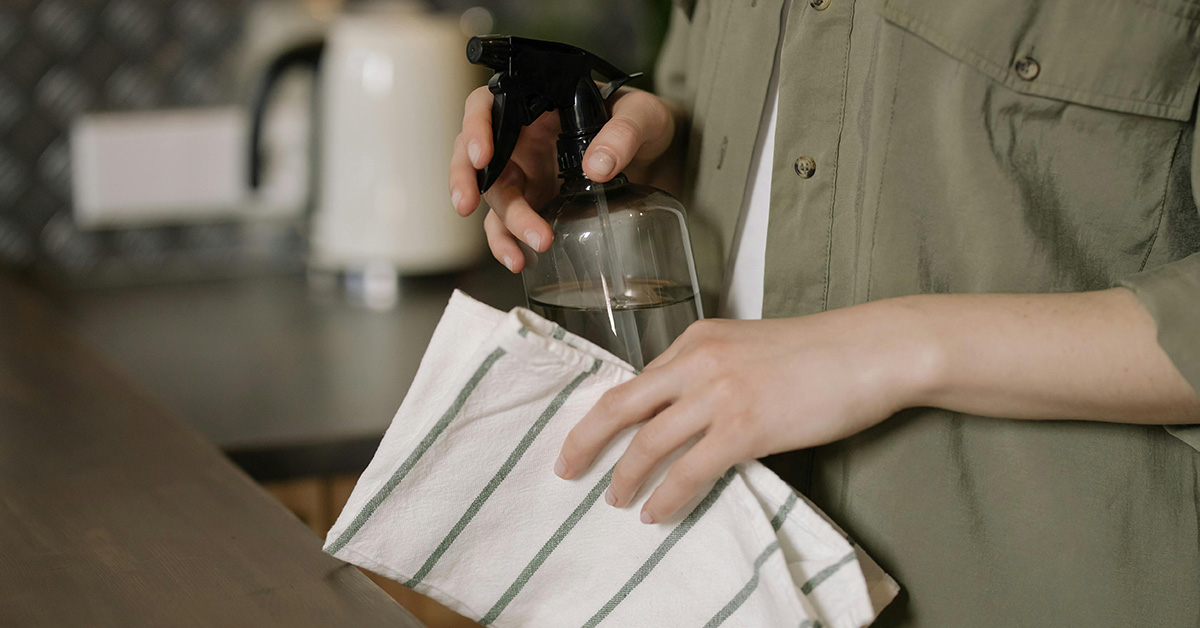
Cleaning is the process of removing dirt, dust, and germs from surfaces. Typical or daliy cleaning doesn't necessarily kill germs, but by removing soil, initial cleaning allows disinfectants to act more effectively.
| Example of Cleaning | Benefit |
|---|---|
| Wiping down a countertop with soap and water | Physically removes germs, dirt and impurities |
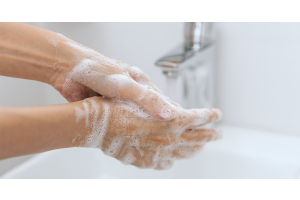
| Washing hands with soap and water | Does not kill pathogens, but reduces their presence |
| Mopping floors with floor cleaner or detergent | Improves appearance and safety of floors |
Why clean first?
Dirt, grease and organic matter (e.g., food residue or bodily fluids) can act as a physical barrier that protects germs from disinfectants. Initial cleaning primes a surface for disinfecting, so disinfectant can go directly to the source and effectively kill pathogens.
How to clean properly:
-
Use an appropriate solution, soap or detergent and water
-
Apply solution with a cloth, sponge, or scrubber depending on the surface and soil
-
Wipe or scrub until all visible dirt or debris is removed
-
Rinse (if necessary)
-
Dry the surface, or let it air dry
Regular cleaning is your first line of defence against daily build-up, dirt and germs.
Remember:
-
Use the right products for the job
-
Don’t forget high-touch areas like handles and switches
-
Refer to the product information sheet (PIS) and safety data sheet (SDS) for a product before use
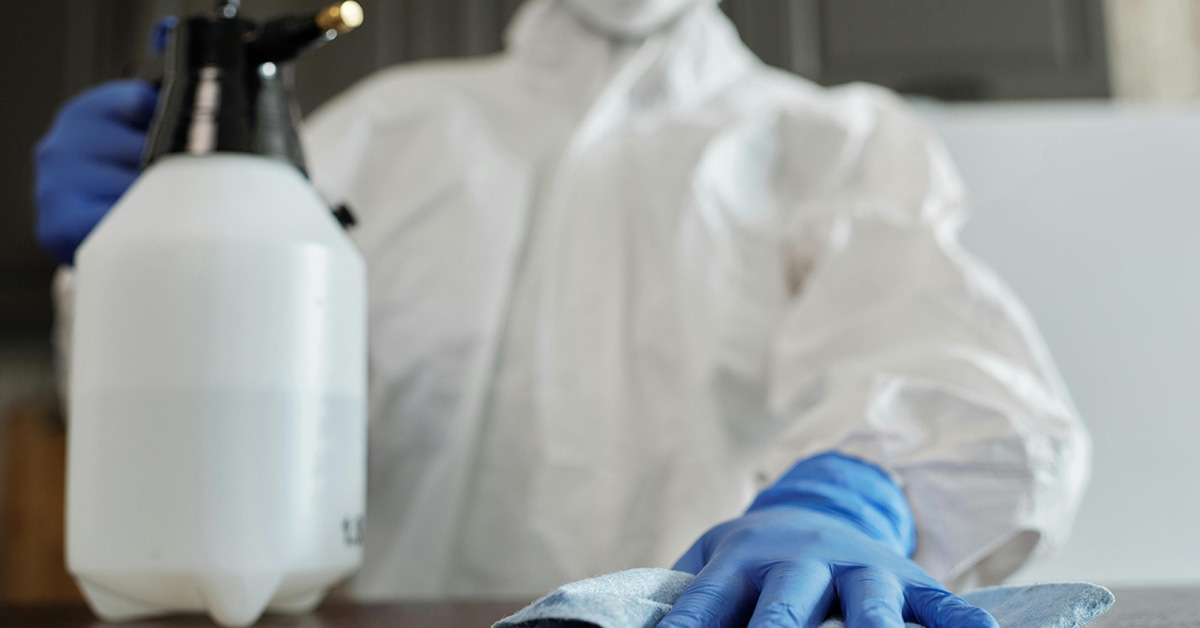
Step 2: Disinfecting – “Killing the Germs”
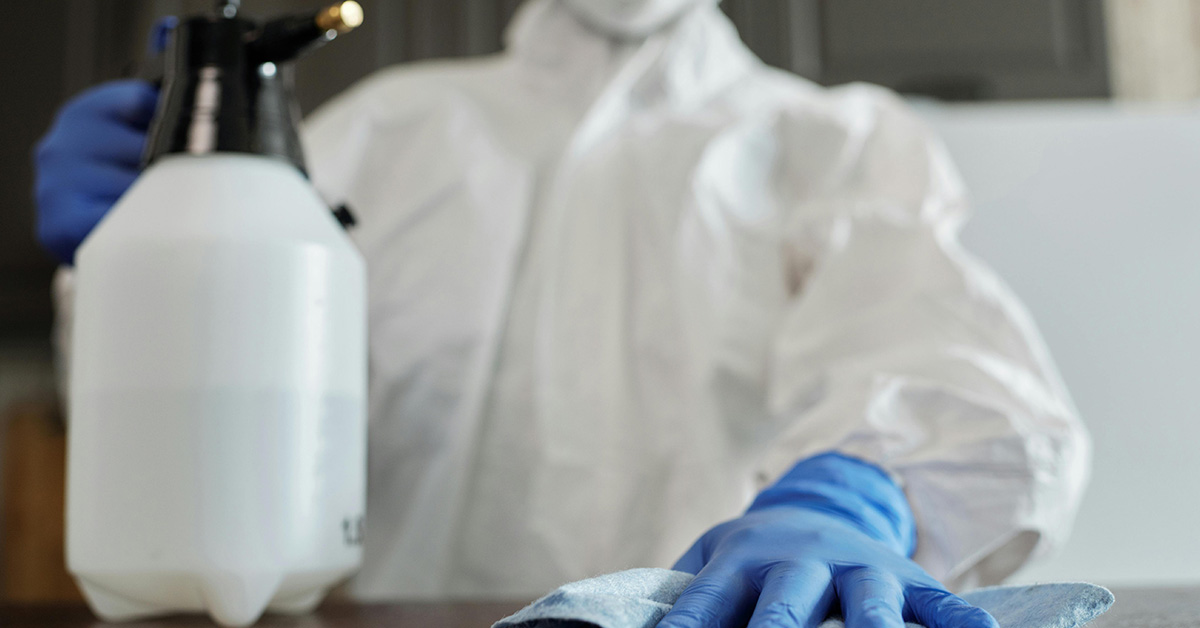
Disinfecting involves using chemicals to kill germs (bacteria and viruses) on surfaces. It does not necessarily clean dirty surfaces, but killing germs can help lower the risk of spreading infection.
| Example of Disinfecting | Benefit |
|---|---|
| Spraying bleach solution on a surface and letting it sit | Proper dwell time (time the surface stays wet) kills viruses, bacteria and fungi to protect health and safety |
| Using alcohol‑based wipes on electronics | |
| Applying disinfectant on high‑touch surfaces |
Why disinfect last?
Once a surface is clean of gunk, dirt and grime, your disinfectant can come into direct contact with viruses, bacteria and fungi, to effectively kill them. Foregoing an initial clean reduces the efficacy of a disinfectant.
How to disinfect properly:
-
Choose a household, commercial or hospital-grade disinfectant that's registered with the Therapeutic Goods Administration (TGA)
-
Apply to clean surface, following instructions found in the PIS
-
Make sure the surface stays wet for the full contact time listed on the label (usually 1-10 minutes)
-
Allow to air dry, or wipe away only after the required time has passed
Remember:
-
Contact time matters! If you wipe a disinfectant off too soon, it won’t be as effective
-
Not all cleaners are disinfectants. Look for ‘disinfectant’ on the label and ensure it meets your needs (e.g., kills Coronavirus)
-
Never mix chemicals. Bleach + Ammonia = Toxic Gas
-
Refer to the PIS and SDS for a product before use
Sanitiser vs Disinfectant – Which Do I Need?
Sanitisers and disinfectants are often confused, but they serve different purposes and have different strengths.
| Sanitiser | Disinfectant | |
|---|---|---|
| Purpose | Reduce the amount of germs that exist on a dirty surface | Kill viruses and bacteria on a surface |
| Virus-killing | Sanitising typically kills bacteria on a surface | If TGA-registered, a disinfectant's specific claims to kill microorganisms must be factual |
| Strength | Typically weaker (sanitisers reduce bacteria on a surface by at least 99.9%) | Stronger and kills a wider range of microorganisms (claims are often 'kills 99.999% of bacteria, viruses and fungi') |
| Dwell time | Typically, under 1 minute | Often requires 1–10 minutes of contact time |
| Application | Food surfaces, lightly soiled areas and hands | High-risk areas like hospitals, aged care facilities and sick bays |
| Labelling/Certification | "Sanitiser" in the context of TGO104 (Therapeutic Goods (TGO 104) Order 2019) refers to chemical agents that are intended to reduce pathogenic or food-spoilage microorganisms on surfaces that may come into contact with food for human consumption, to a sanitary level. | A hospital, household, or commercial disinfectant registered by the TGA in Australia refers to a product that has been assessed and approved for use in these settings. These disinfectants are registered on the Australian Register of Therapeutic Goods (ARTG) and meet specific regulatory requirements for efficacy and safety. They are used to kill or inactivate microorganisms on inanimate surfaces. |
Disinfectant
When to use Disinfectant?
-
On high-touch surfaces
-
After someone is sick or in healthcare settings
-
Blood or bodily fluid build-up
-
Bathrooms, rubbish bins, nappy changing stations and childcare centres
-
Disinfectants are regulated to kill a wider range of pathogens, including viruses, fungi and bacteria
-
Often used in viral outbreaks (e.g., Coronavirus, Norovirus)
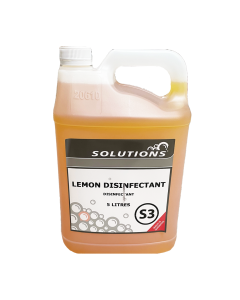
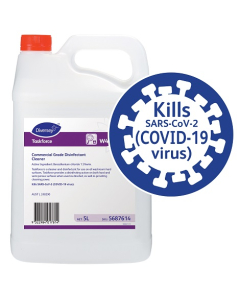
Recommended Disinfectants
-
-
-
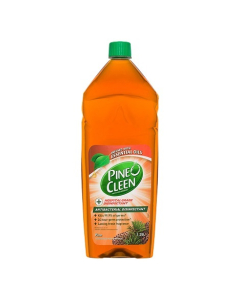 Pine O Cleen 3111355 Antibacterial Liquid Disinfectant Pine 1.25L$10.53Add to cart to see your price
 -
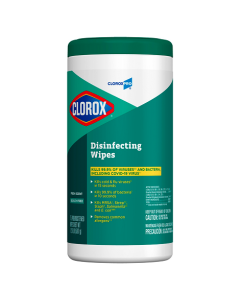 Clorox® 15949 Disinfecting Wipes Hospital Grade Fresh Scent (75)$11.55Add to cart to see your price
 -
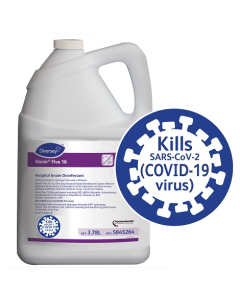 Diversey™ 5845264 Oxivir® Five 16 Hospital Grade Disinfectant 3.78L$149.14Add to cart to see your price
 -
-
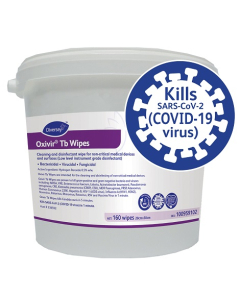 Diversey™ 100959102 Oxivir® Tb Hospital Grade Disinfectant Wipes Large (160)$139.03Add to cart to see your price
 -
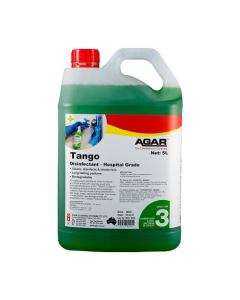
-
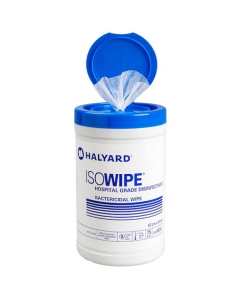 Halyard* 6835 Isowipe* Hospital Grade Disinfectant Wipes 12 canisters x 75 wipes$170.04Add to cart to see your price
Sanitiser
When to use Sanitiser?
-
For quick germ reduction on clean surfaces
-
Safe for food-contact surfaces
-
Commonly used in restaurants and kitchens
-
Sanitisers are tested primarily for bacteria, not viruses. During a viral outbreak, rely on a disinfectant
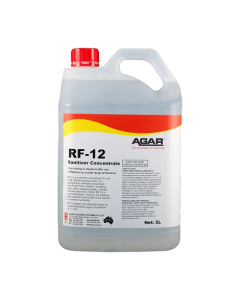
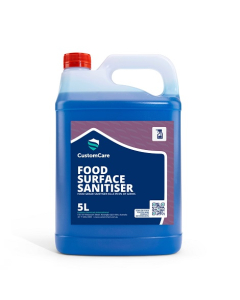
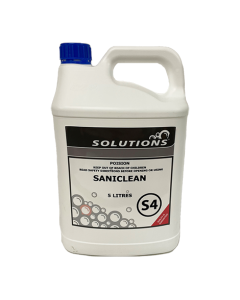
Recommended Sanitisers
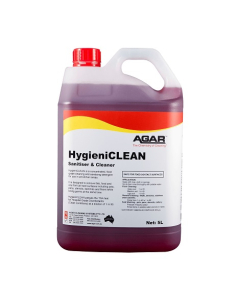
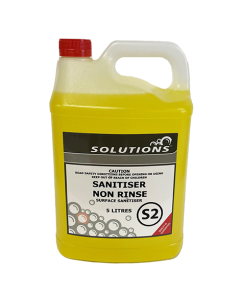
To ensure both the cleanliness of spaces and the safety of those around you, it's important to know the difference between cleaning and disinfecting. If you have any further questions on the topic, or need product recommendations for your situation, please contact us or call us on (07) 3326 6711.